
Spray Foam Insulation in Arizona
Closed-cell and open-cell spray foam for attics, walls, and crawl spaces.
Spray Foam Insulation in Phoenix, AZ
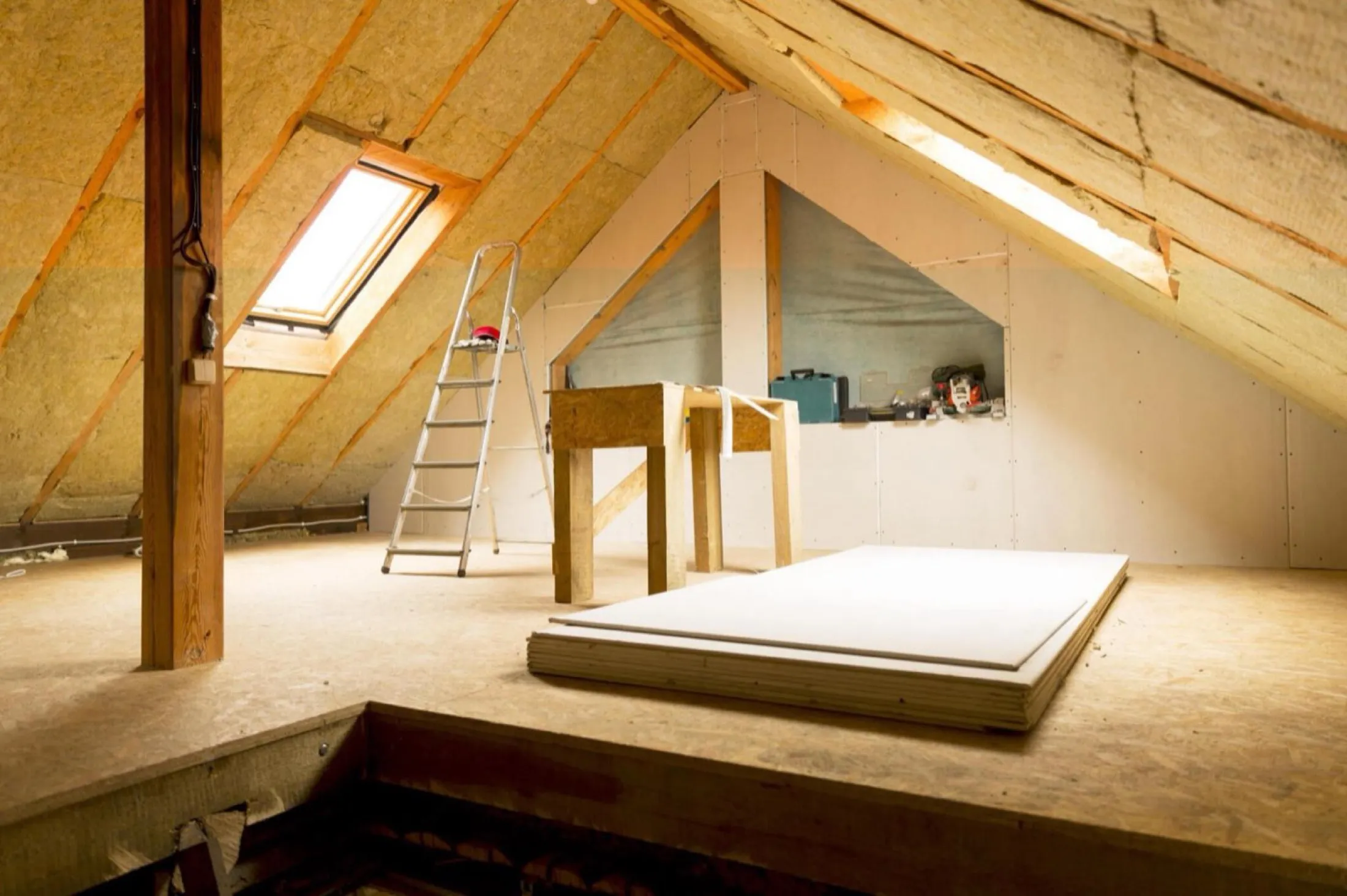
Phoenix Attic Insulation installs spray foam insulation for homes across Phoenix, Glendale, Peoria, Laveen, and Avondale. We are an attic-first contractor, which means we look at your attic before anything else, and we recommend spray foam where it actually makes sense. Foam is a strong product, but it is not the right answer for every attic, and we will tell you plainly when blown-in fiberglass at the attic floor will do the job for less money. When spray foam is the right call, we install it correctly and clean up after ourselves.
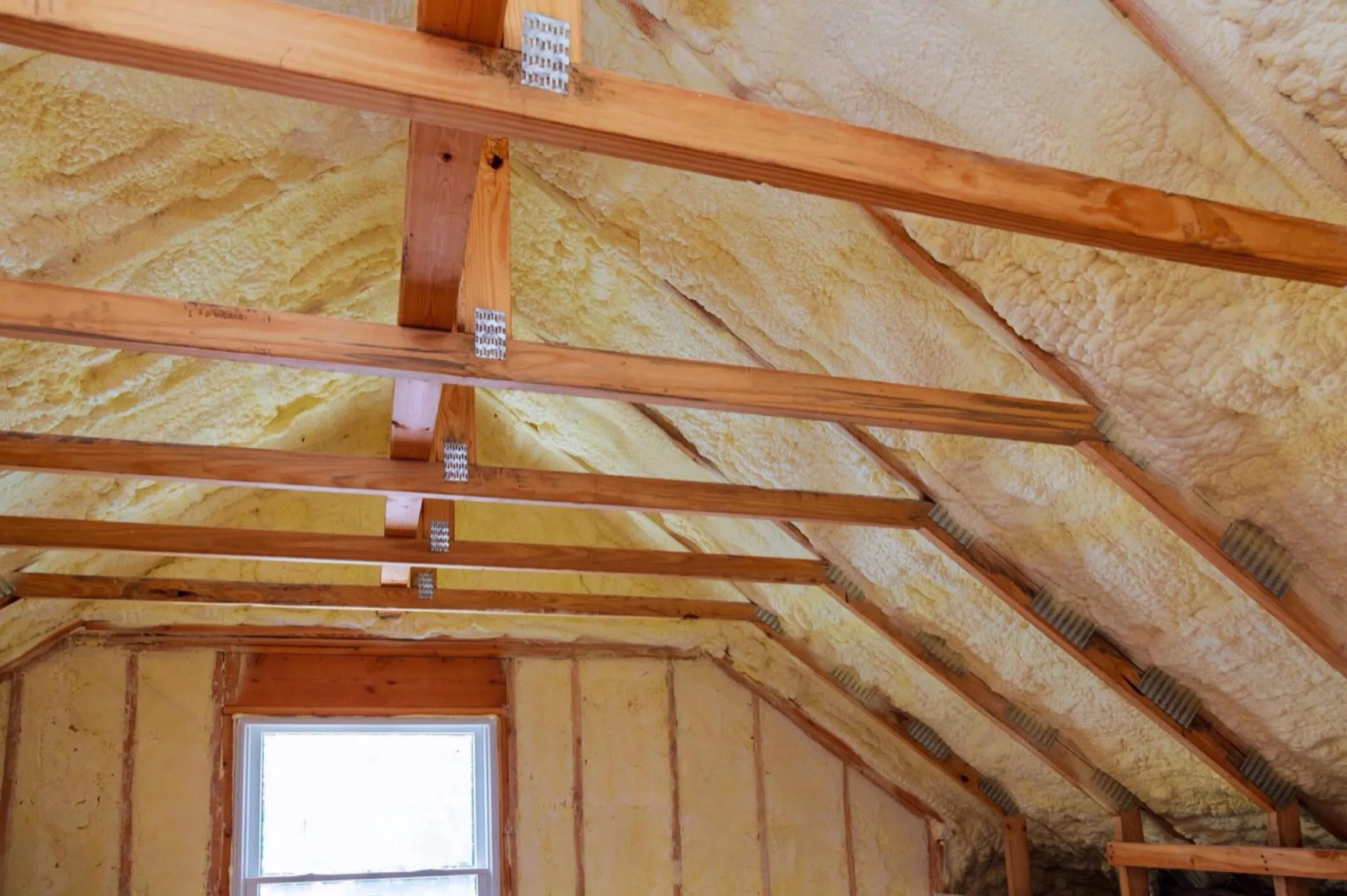
Summer attic temperatures in the Phoenix area regularly climb past 150 degrees. That kind of heat pushes through the roof deck, cooks your ductwork, and forces your air conditioner to run longer cycles just to hold thermostat temperature. Spray foam changes where that heat stops. Applied at the roofline, it moves the thermal boundary from your ceiling up to the underside of the roof, which puts your ducts and air handler inside a far friendlier space. Call (602) 313-0276 to talk through whether foam fits your house.
The first visit is about diagnosis, not selling. We look at where your ducts run, how much rafter depth you have, how the attic is vented, and what condition the existing insulation is in. Two houses on the same street can get two different recommendations from us, because the layout drives the answer. That is the part a one-product sales pitch never gives you.
How Spray Foam Works in a Hot Climate
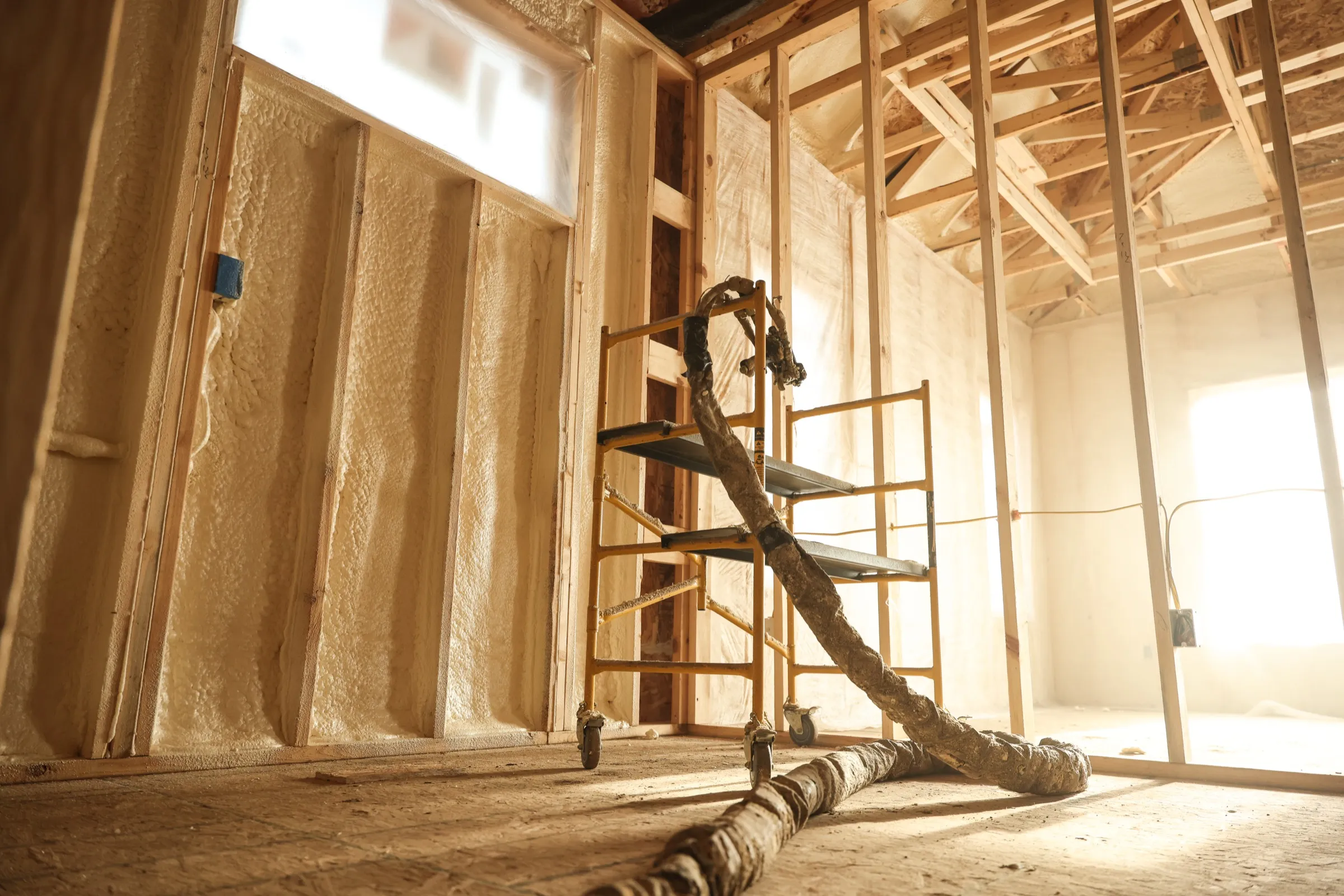
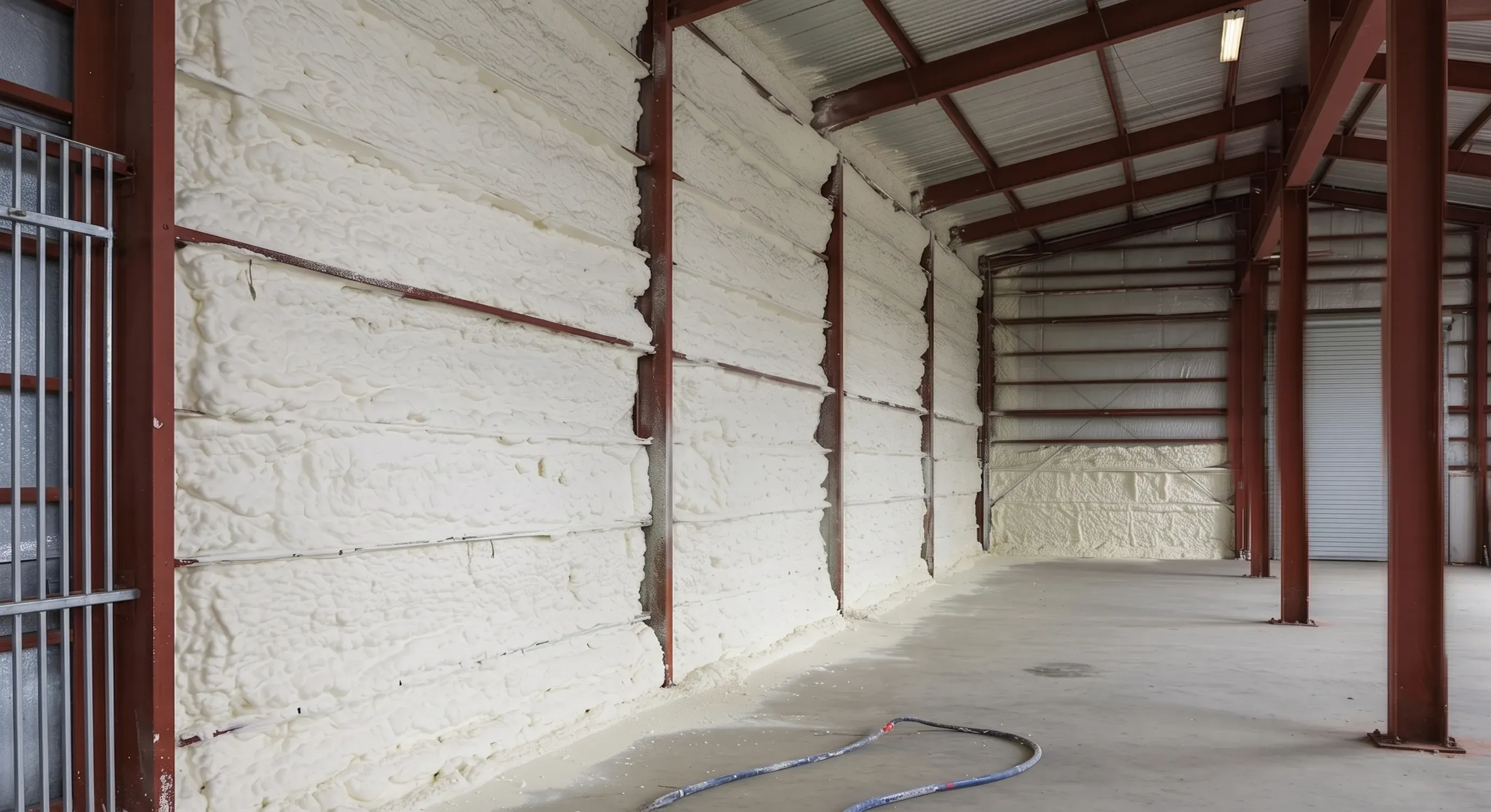
Spray foam starts as a two-part liquid that is mixed at the spray gun and applied directly to the surface being insulated. It expands on contact, fills cracks and gaps, and cures into a solid layer that resists both heat flow and air movement. That combination is what sets it apart from fiberglass and cellulose, which slow heat but do very little to stop air leaking through the building shell.
In the desert, air leakage matters almost as much as R-value. Every gap around a recessed light, plumbing chase, or top plate is a path for 150-degree attic air to push down into your living space while your cooled air escapes upward. Foam seals those paths as it insulates. Open-cell foam typically delivers around R-3.5 per inch, while closed-cell foam runs roughly R-6 to R-7 per inch, so thickness is planned around the target your project needs.
Thickness is not a guess on our jobs. We mark target depths in the rafter bays before we spray, and we check coverage as we go so thin spots do not hide in the corners. Foam only performs to its rated value where it is actually applied at the specified thickness, and a skipped bay at the far eave is still a hole in your thermal boundary.
Open-Cell vs Closed-Cell Foam
Open-cell foam is the lighter, softer product. It expands aggressively, which makes it good for filling irregular rafter bays and hard-to-reach corners along the roofline. It costs less per inch of thickness than closed-cell, it dampens sound well, and for most Phoenix attic roofline applications it performs very well. Our dry desert climate means the vapor permeability of open-cell foam is rarely a problem in a vented or unvented attic assembly here.
Closed-cell foam is dense and rigid. It delivers nearly double the R-value per inch, adds stiffness to whatever it is sprayed against, and resists moisture. It is the better choice when rafter depth is limited and you need more R-value in fewer inches, or when the application involves a surface that may see bulk moisture. The tradeoff is cost. We will walk you through both products at your home and show you exactly what each would look like in your attic before you decide.
There are also hybrid approaches that make sense in this climate. Some attics get a flash layer of closed-cell in tight or shallow bays and open-cell everywhere the depth allows, which balances R-value against budget. We are not locked to one product line, so the recommendation follows your framing and your goals rather than a distributor agreement.
Spray Foam at the Roofline vs the Attic Floor
There are two basic ways to insulate a Phoenix attic, and they solve different problems. Insulating at the attic floor with air sealing and blown-in material to R-38 is usually the most cost-effective path. Your attic stays hot, but the heat stops at your ceiling. This approach works well when your ductwork is in decent shape and reasonably compact.
Roofline spray foam makes more sense when your attic is packed with ductwork, an air handler, or both. Ducts running through a 150-degree attic can lose a significant share of the cooling they carry before the air ever reaches your rooms. Sealing the roof deck with foam brings attic temperatures much closer to indoor temperatures, so the duct losses shrink dramatically. Many homeowners feel the difference in back bedrooms the same day. It costs more than a floor approach, so we lay out both options with real numbers for your specific house.
One more factor pushes Phoenix homes toward the roofline: storage and access. If you use the attic for storage or your air handler needs regular service up there, a cooler, semi-conditioned attic is simply more usable than a 150-degree oven. We weigh that practical benefit alongside the energy math when we talk through options.
Where Spray Foam Fits in an Attic-First Plan
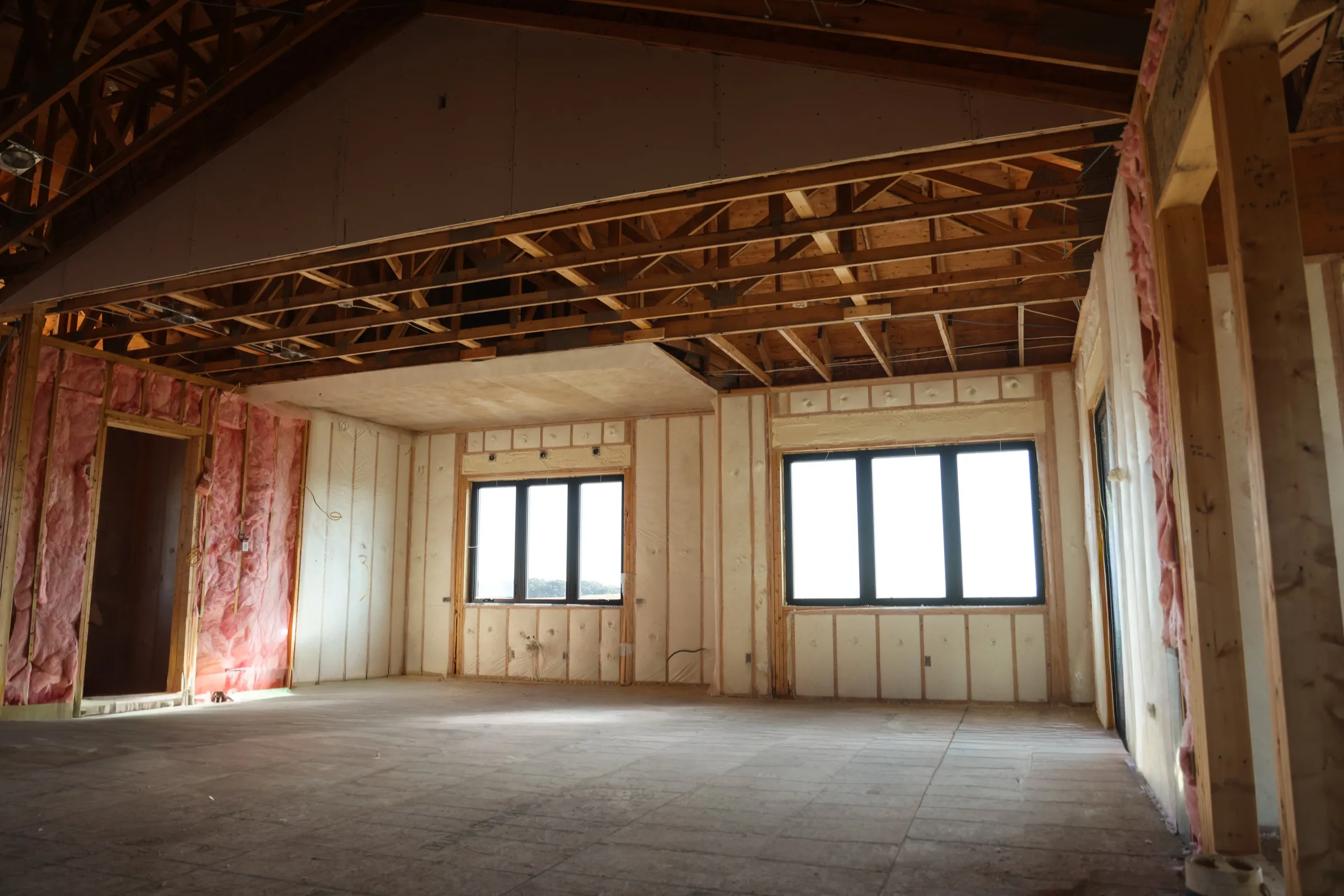
A lot of our projects use foam as a targeted tool rather than a whole-attic treatment. We use it to seal top plates, plumbing and electrical penetrations, chases, and the gaps around recessed lighting before blowing insulation over the attic floor. That air sealing step is what lets R-38 of blown-in material actually perform like R-38 instead of leaking around the edges.
We also use foam on problem spots that blown material simply cannot handle: vaulted ceiling sections, shallow rafter bays over additions, and the rim areas where roof meets wall. If a salesperson tells you every attic needs full roofline foam, be skeptical. If someone tells you foam is never worth it, be skeptical of that too. The right answer depends on your attic layout, your duct location, and your budget, and we will give you that answer straight.
The attic-first mindset also means we check the boring details before foam goes anywhere: bath fans vented outside rather than into the attic, no active roof leaks, and wiring that can handle being surrounded. Foam is unforgiving about covering mistakes, so we fix or flag what we find first. That prep is part of the job, not an upsell.
Common Spray Foam Applications We Handle
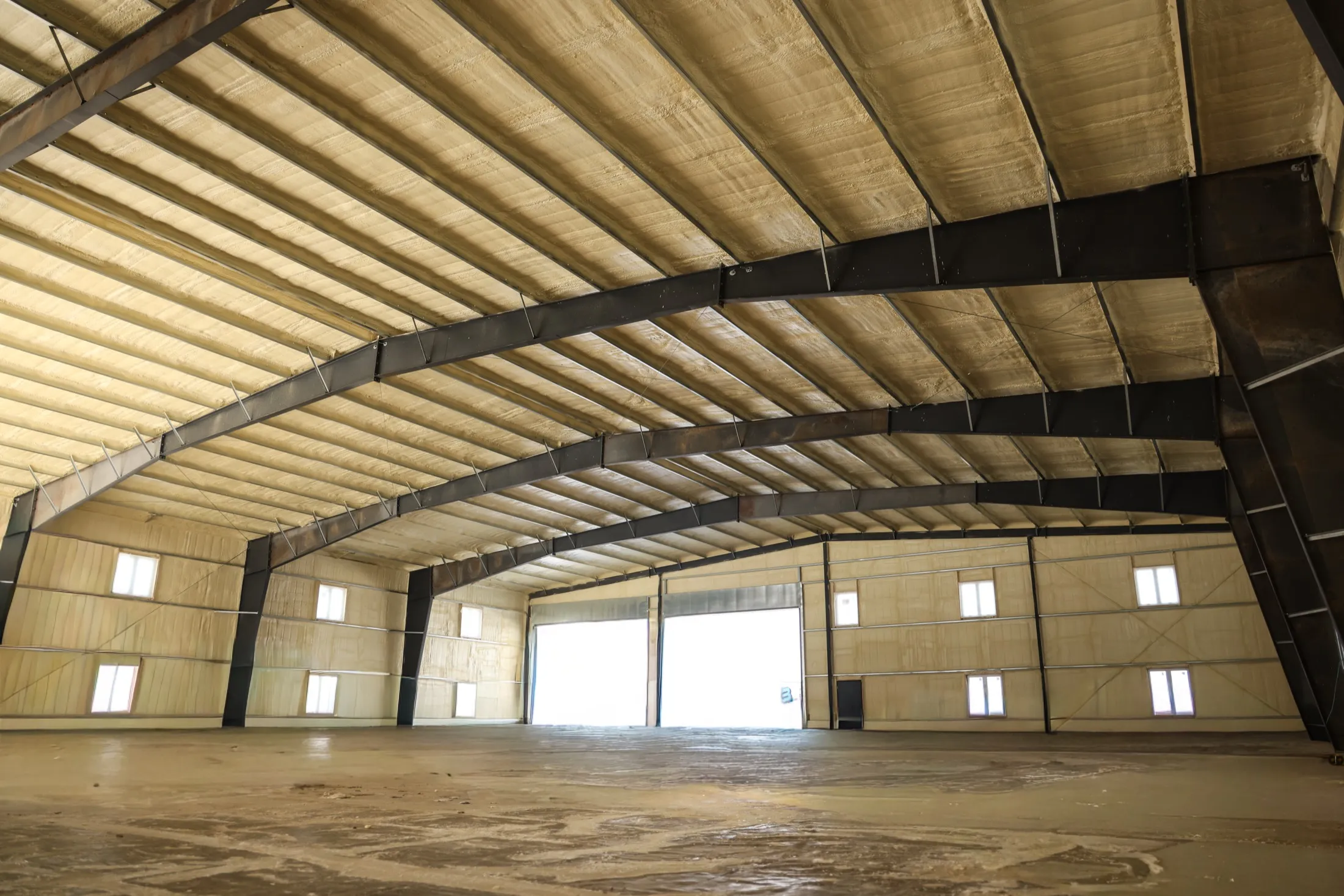
Beyond the attic roofline, we install spray foam in garage ceilings with living space above, knee walls in one-and-a-half story homes, cathedral ceilings, and room additions where the framing depth cannot hold enough batt or blown material to hit code R-values. Phoenix-area tract homes from the 1980s and 1990s often have exactly these problem areas, especially over garages and in converted patio rooms.
Every application starts with an in-person look at the space. We are a service-area business, so we come to you anywhere in Phoenix, Glendale, Peoria, Laveen, or Avondale. There is no showroom to visit and no pressure script. We measure, we explain what we see, and we give you a written estimate you can sit with.
Prep, Safety, and Cure Time on Foam Jobs
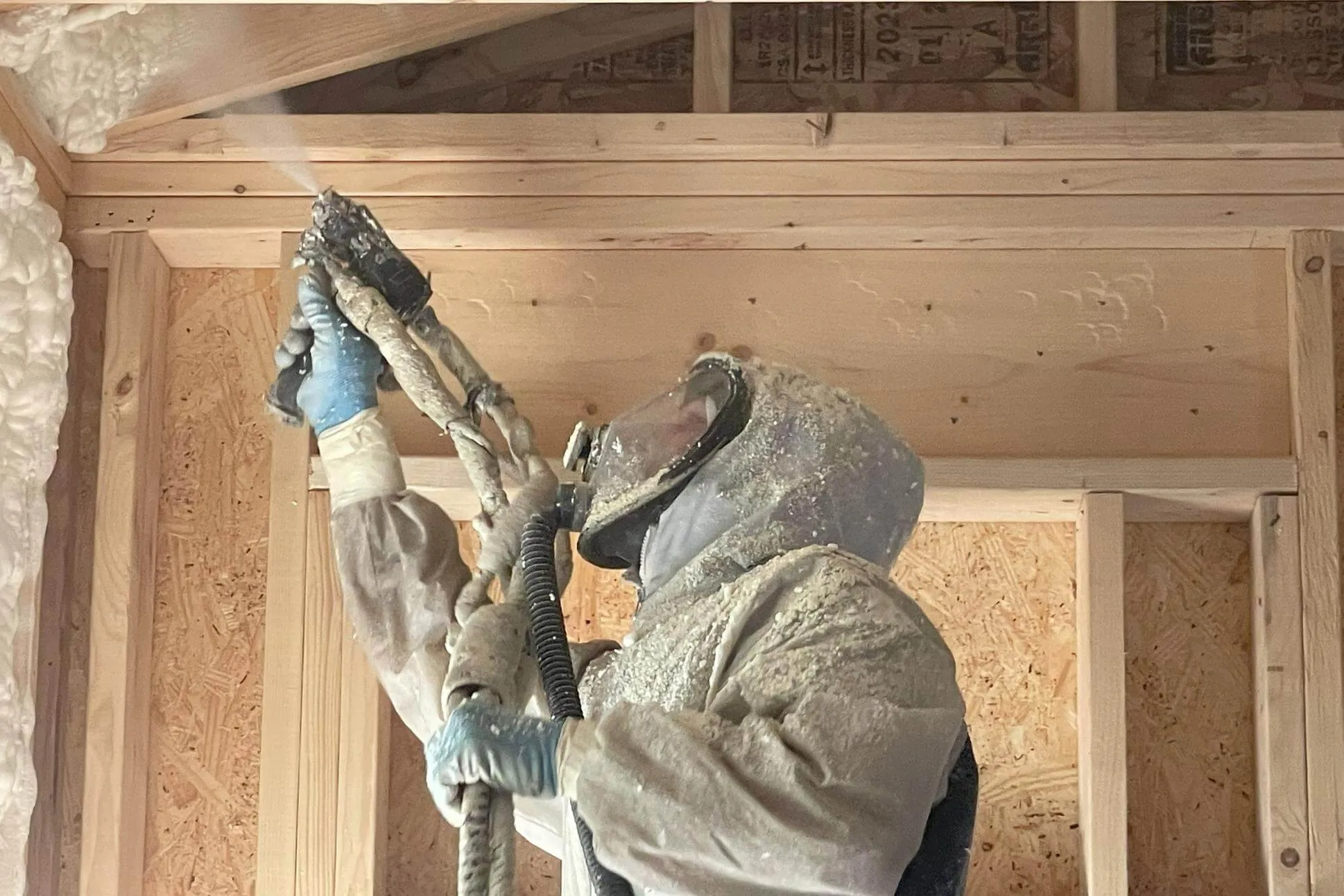
Spray foam is a chemistry job as much as a carpentry job, and the prep reflects that. We mask and protect anything in the spray zone that should not get foam on it, cover attic contents you cannot move, and set up ventilation before the gun starts. Overspray is a real risk with sloppy crews, and the cleanup is far worse than the masking, so we take the masking seriously.
During application the work area needs to stay clear of occupants and pets, and we will tell you exactly how long to stay out based on the product and the space. Cured foam is inert, but the mixing and spraying window is not the time for anyone to be upstairs. We schedule so the disruption is predictable: when we arrive, when spraying happens, and when the house is fully back to normal.
After the foam cures, we trim any over-expansion at access points, confirm depth across the bays, and haul out our masking and debris. You get a walkthrough of the finished attic so you can see the coverage yourself before we call the job done.
Spray Foam Cost Considerations in Phoenix
Foam pricing depends on the product type, the thickness required, and how much prep and masking the space needs. As a general frame of reference, typical ranges in this market run per board foot, with open-cell foam at the lower end and closed-cell at the higher end. Those are typical ranges only, not quotes. Your actual number comes from measuring your attic, and we put it in writing before any work is scheduled.
Homeowners in APS and SRP territory can also check current utility rebate programs for insulation and duct sealing work. Program details and qualifying measures change from time to time, so we recommend confirming what is available before your project starts. We are happy to document the work we perform so you have what you need if you apply.
The honest way to think about cost is against the alternative. If roofline foam lets a fifteen-year-old air conditioner keep up instead of being replaced early, or ends the upstairs bedroom problem that three service calls could not fix, the math looks different than a line-item comparison. We will show you both the floor approach and the roofline approach priced separately so the decision is yours with real numbers in hand.
Schedule a Spray Foam Estimate
If your upstairs bedrooms bake every afternoon, if your air conditioner runs nonstop from May through September, or if you have been quoted full roofline foam and want a second opinion, call Phoenix Attic Insulation at (602) 313-0276. We will come look at your attic, tell you what we would do if it were our house, and leave you a clear written estimate. Free estimates, no obligation, and straight answers about whether spray foam belongs in your project.
Real Arizona Projects
Other Insulation Services
Common Questions
Is spray foam insulation a good fit for Phoenix-area buildings?
Yes. Spray Foam Insulation works well for many Phoenix-area homes and commercial buildings, but the right choice depends on the space, the assembly and how it is used. During a free estimate we confirm whether spray foam insulation or another option fits your building.
How much does spray foam insulation cost?
Cost depends on the area being treated, the material and thickness, access and prep. Estimates are free and given in writing, so you know the price before any work begins.
How long does a spray foam insulation project take?
Most projects are completed quickly once scheduled. Your written estimate includes the expected timeline for your specific Phoenix-area project.
Want to Know What Your Project Would Cost?
Tell us about the property and we'll help you determine the next step.
Free Written Estimates • No Obligation • Local Arizona Team