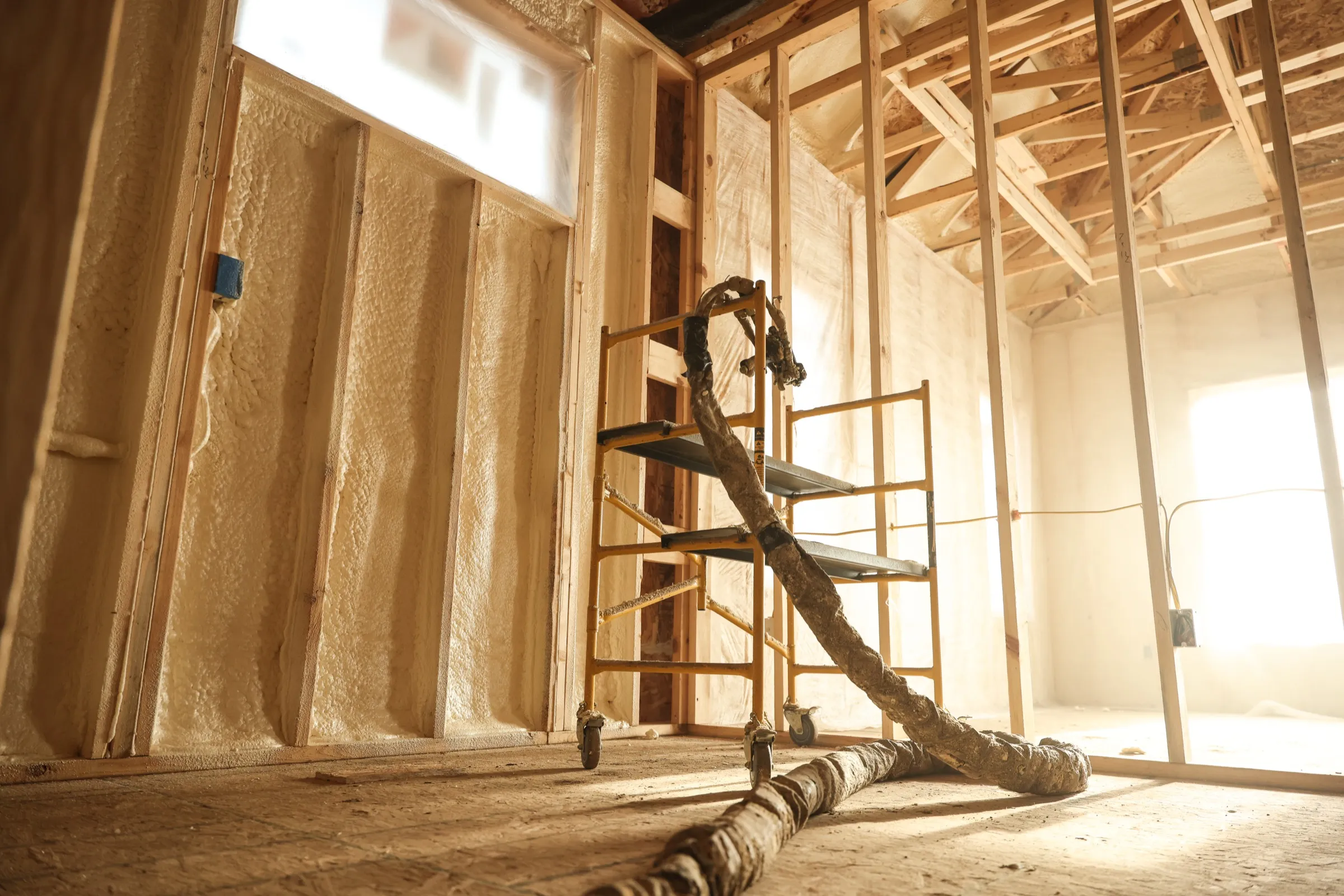
Spray Foam Insulation in Phoenix, AZ
Professional spray foam insulation for Phoenix homes, garages, additions, metal buildings and commercial properties.
Attic Insulation in Phoenix, AZ That Stands Up to 150-Degree Summers
Phoenix attic insulation is not a luxury upgrade in this climate. It is the single biggest factor in whether your air conditioner can keep up from May through October. Phoenix Attic Insulation is an attic-first contractor serving homeowners across the Valley, and our work starts where the heat starts: right above your ceiling. Call (602) 313-0276 to schedule an attic inspection and find out exactly what your home is working with.
On a typical Phoenix summer afternoon, an under-insulated attic can reach 150 degrees or more. That heat presses down through your ceiling all day and well into the night, which is why so many central Phoenix homes feel warm at 10 p.m. even with the AC running nonstop. Bringing your attic up to an R-38 target or better slows that heat transfer dramatically, takes strain off your HVAC system, and makes every room in the house easier to cool.
We are a service-area business, which means we come to you anywhere in Phoenix and the surrounding communities, from historic districts near downtown to ranch neighborhoods stretching toward Glendale and Laveen. There is no showroom to visit. There is just a crew, the right equipment, and a plan built around your specific attic.
Why Phoenix Homes Lose the Cooling Battle
Phoenix has one of the most demanding cooling climates in the country, and a huge share of its housing stock was built long before modern insulation standards existed. Many homes in central Phoenix were constructed in the 1950s, 60s, and 70s with only a few inches of original insulation, and decades of settling, foot traffic, and pest activity have compressed what is left to a fraction of its rated value.
Older block construction homes, common throughout central Phoenix neighborhoods, present their own challenges. Block walls hold heat and release it slowly, and many of these homes have flat or low-slope roof additions over converted patios and garages where insulation is thin, patchy, or missing entirely. Those additions are often the hottest rooms in the house.
Then there is the ductwork problem. In most Phoenix homes, the air ducts run through the attic, surrounded by that 150-degree air. Leaky or poorly insulated ducts can lose a meaningful share of the cooled air before it ever reaches your rooms. When we evaluate an attic, we look at the whole picture: insulation depth, air leaks around penetrations, duct condition, and ventilation. Insulation alone cannot fix a duct problem, and sealing ducts alone cannot fix a bare attic floor.
Historic district homes add another layer of complexity. If your home is in one of Phoenix's designated historic neighborhoods, the attic may contain original materials, older knob-and-tube wiring in rare cases, or ventilation configurations that need careful handling. We assess those conditions before recommending any work.
Blown-In Fiberglass and Cellulose: Choosing the Right Material
For most Phoenix attics, blown-in insulation is the practical choice. It fills irregular spaces, covers around joists and obstructions, and can be installed to a consistent depth across the entire attic floor. The two materials we work with most are blown-in fiberglass and cellulose, and each has real advantages depending on your home.
Blown-in fiberglass is lightweight, does not absorb moisture, and does not settle much over time, which means the R-value you pay for is the R-value you keep. It performs well in Phoenix's dry climate and is a strong fit for attics with lots of obstacles, since it blows evenly around wiring, framing, and duct runs.
Cellulose is made from recycled paper treated for fire resistance. It is denser than fiberglass, which gives it good air-blocking characteristics and makes it a solid choice for older homes where the attic floor has lots of small gaps and cracks. Cellulose does settle somewhat over the years, so we account for that by installing to an initial depth that reaches the target R-value after settling.
During your inspection we will walk you through which material fits your attic, your budget, and your goals. Typical installed costs for blown-in attic insulation in Phoenix vary by attic size, target depth, and prep work needed, and we will give you a clear written number before any work begins. There is never a charge to find out where you stand: call (602) 313-0276.
Insulation Removal for Rodent-Damaged and Contaminated Attics
Phoenix has a well-documented roof rat problem, especially in established neighborhoods with mature citrus trees, palm trees, and older rooflines. Roof rats love attic insulation. They tunnel through it, nest in it, and contaminate it with droppings and urine. Once insulation is contaminated, it is not just ineffective, it is a health concern that sits directly above your living space.
Signs you may have a rodent problem in your attic include scratching sounds at night, droppings near the attic access, chewed wiring, and a persistent musty odor that does not go away. If you have had a rodent issue resolved by a pest control company, the insulation itself often still needs attention, because the contamination remains even after the animals are gone.
Our insulation removal service uses high-powered vacuum equipment to extract old blown-in or batt insulation, along with the debris, dust, and contamination it holds. After removal, we can sanitize the attic floor, identify and point out entry points that need sealing, and then install fresh insulation to the proper depth. Many Phoenix homeowners are surprised by the difference: a contaminated attic that gets fully removed and reinsulated often delivers the single biggest comfort improvement the home has ever seen.
If your insulation is simply old and compressed rather than contaminated, removal may not be necessary. In many cases we can blow new insulation directly over the existing material to reach R-38 or higher, as long as the old insulation is dry and clean. We will tell you honestly which situation you have.
Radiant Barriers for Phoenix's Brutal Roof Heat
In Phoenix, a large share of attic heat gain comes from radiant energy: the sun beats down on your roof all day, the roof deck heats up, and that heat radiates downward onto your insulation and ceiling. A radiant barrier addresses that specific mechanism. Installed along the underside of the roof rafters, radiant barrier foil reflects radiant heat back toward the roof instead of letting it soak into your attic.
Radiant barriers are not a replacement for insulation. They do a different job. Insulation slows conductive heat transfer, while a radiant barrier reduces radiant heat transfer. In a climate like Phoenix, where attics routinely exceed 140 or 150 degrees in summer, the two work together: the barrier lowers peak attic temperature, and the insulation slows whatever heat remains from reaching your ceiling.
Radiant barriers make the most sense in homes with ductwork in the attic, homes with dark or heat-absorbing roofing, and homes where the attic gets limited shade. They are also a strong option for the low-slope additions common on central Phoenix ranch homes, where there is little room for deep insulation. During your inspection we will tell you whether your attic is a good candidate or whether your money is better spent on added insulation depth and air sealing first.
APS and SRP Rebates and Energy Programs for Phoenix Homeowners
Phoenix sits in mixed utility territory. Depending on your address, your electric provider is either APS or SRP, and both utilities have historically offered home energy programs that may include rebates or incentives connected to insulation, duct sealing, and home energy audits. Program details, eligibility rules, and funding availability change from year to year, so we never quote specific amounts.
What we recommend is simple: check your utility's current offerings before your project. APS customers can look into the Home Performance with ENERGY STAR style programs APS has offered, which often begin with a discounted home energy audit. SRP customers can check SRP's home energy audit and rebate pages for current incentives. These audits are worth doing regardless, because they identify exactly where your home is losing energy and often confirm whether insulation, duct sealing, or both should come first.
We are happy to coordinate timing so any required testing or documentation fits the program you are using. Just mention it when you call (602) 313-0276 and we will plan accordingly. Homeowners we serve in Glendale, Peoria, and Laveen should do the same check, since utility territory boundaries in the Valley do not always follow city lines.
Our Attic Insulation Process in Phoenix
Every job starts with an attic inspection. We measure existing insulation depth, check its condition, look for rodent activity, examine the ductwork, note ventilation, and identify air leaks around light fixtures, plumbing penetrations, and the attic hatch. You get a straight answer about what your attic needs and what it does not.
Before any new insulation goes in, we handle prep work. That can include removing contaminated material, sealing air leaks with foam or mastic, installing baffles at the eaves to keep soffit vents clear, and damming around the attic access so the new depth stays even. Prep is where many budget jobs cut corners, and it is where long-term performance is won or lost.
Installation itself is fast. Most Phoenix attics take a few hours to blow in to R-38 or better. We confirm depth across the attic with rulers and depth markers, clean up completely, and leave you with documentation of the material and depth installed. If a radiant barrier is part of your project, that is installed along the rafters before or alongside the insulation work depending on the attic layout.
We schedule work throughout the year. Summer jobs are common and crews work early to beat attic heat, but fall and winter are excellent times to get the work done before the next cooling season. Whenever you are ready, call (602) 313-0276.
Frequently Asked Questions
How much insulation does a Phoenix attic need?
For our climate zone, the commonly cited target is R-38, and many energy professionals recommend R-38 to R-49 for Phoenix homes. In practical terms, that usually means roughly 12 to 18 inches of blown-in material depending on the product. If your attic currently has 3 to 6 inches, you are well below target.
How do I know if my attic insulation is bad?
Common signs include rooms that will not cool down in summer, high APS or SRP bills that keep climbing, uneven temperatures between rooms, and insulation that looks flat, dirty, or thin when you peek through the attic hatch. Homes built before the mid-1980s almost always need attention.
Is blown-in fiberglass or cellulose better for Phoenix?
Both perform well here. Fiberglass resists moisture and barely settles, so its R-value stays stable. Cellulose is denser and blocks airflow better, which helps in older homes with leaky attic floors. We recommend the material based on your attic's condition, not on a one-size-fits-all preference.
Do I need to remove my old insulation first?
Only if it is contaminated, wet, moldy, or heavily damaged by rodents. Clean, dry existing insulation can usually stay in place, with new material blown over the top to reach the target depth. Removal adds cost, so we only recommend it when there is a real reason.
Can insulation help with my roof rat problem?
Insulation itself does not keep rodents out, but removal and replacement is often the right follow-up after a pest control company eliminates an infestation. Contaminated insulation holds odors and waste that should not stay above your living space, and the removal process exposes entry points that need to be sealed.
Is a radiant barrier worth it in Phoenix?
In the right attic, yes. Homes with ductwork in the attic, dark roofing, or minimal shade see the most benefit, because a radiant barrier can lower peak attic temperatures noticeably. It works alongside insulation rather than replacing it, and we will tell you honestly if your attic is a good candidate.
Are there rebates for attic insulation in Phoenix?
Both APS and SRP have offered energy efficiency programs that may include insulation-related incentives, but the details change over time. Check your utility's current program offerings, and consider starting with a home energy audit, which some programs offer at a reduced cost. We can coordinate our work with program requirements.
How long does attic insulation installation take?
Most Phoenix homes are completed in a single visit, typically a few hours for a straightforward blow-in job. Jobs that include removal, sanitizing, or radiant barrier installation take longer, and we will give you a clear timeline before we start. Call (602) 313-0276 to schedule an inspection.
Schedule a Phoenix Attic Inspection Today
Phoenix Attic Insulation serves homeowners across Phoenix and nearby communities including Glendale, Laveen, and Avondale. Whether your home is a 1960s block ranch in central Phoenix, a historic district bungalow, or a newer build on the edge of the Valley, the attic is where your cooling dollars are won or lost.
One call gets you an inspection, a straight answer, and a written quote with no pressure. Call (602) 313-0276 today and find out what is actually going on above your ceiling.
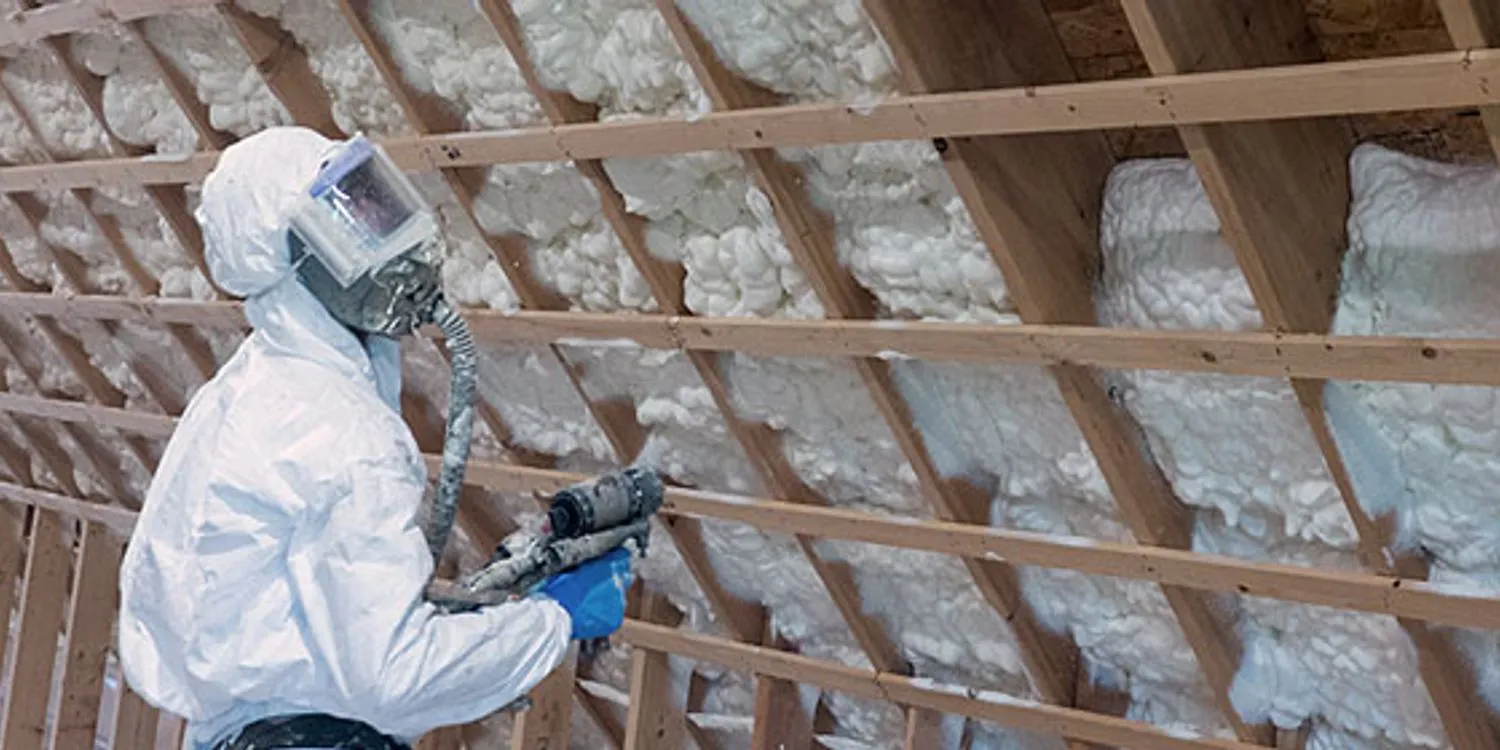
Insulation Services Available in Phoenix
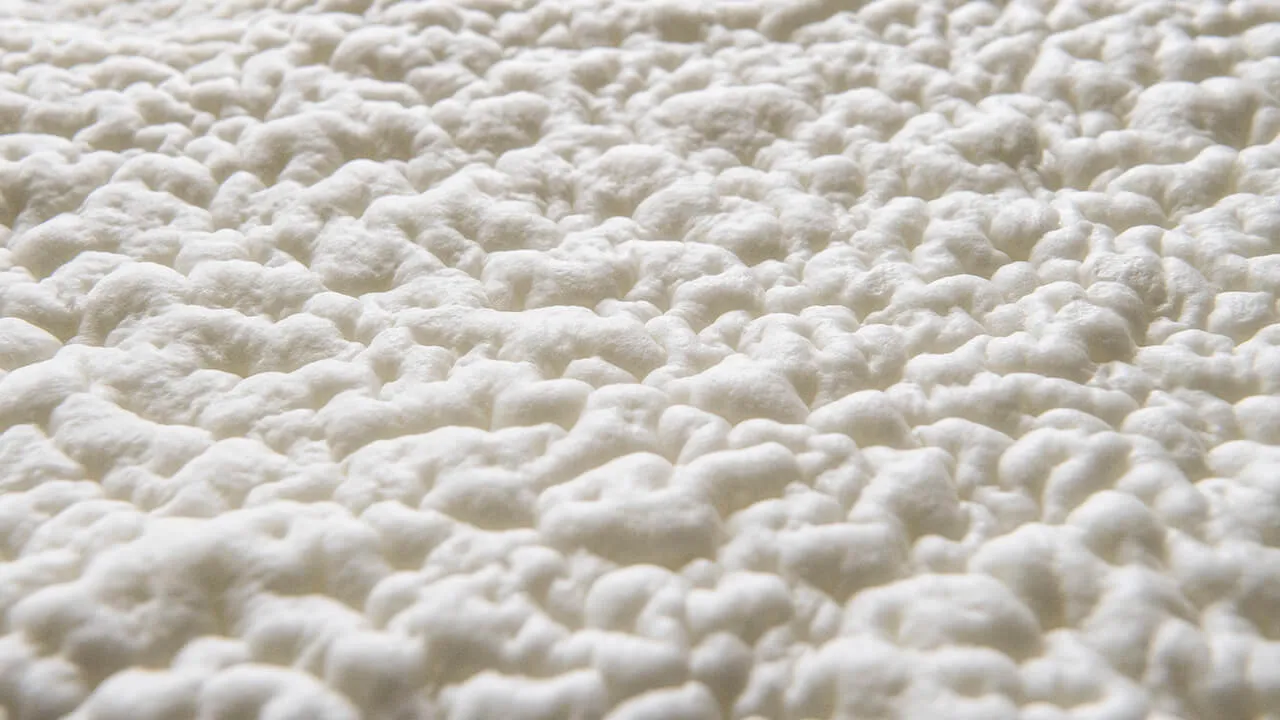
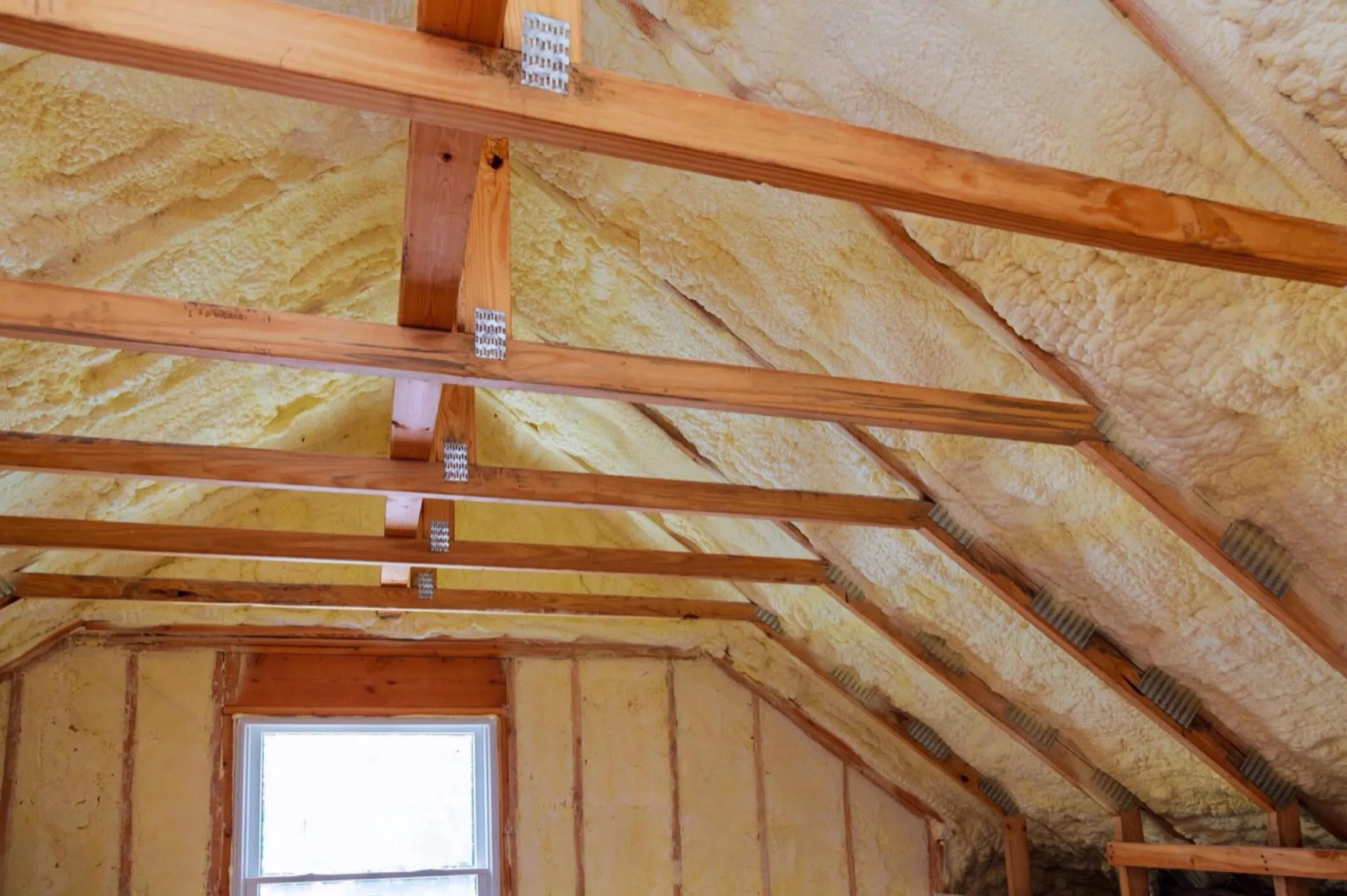
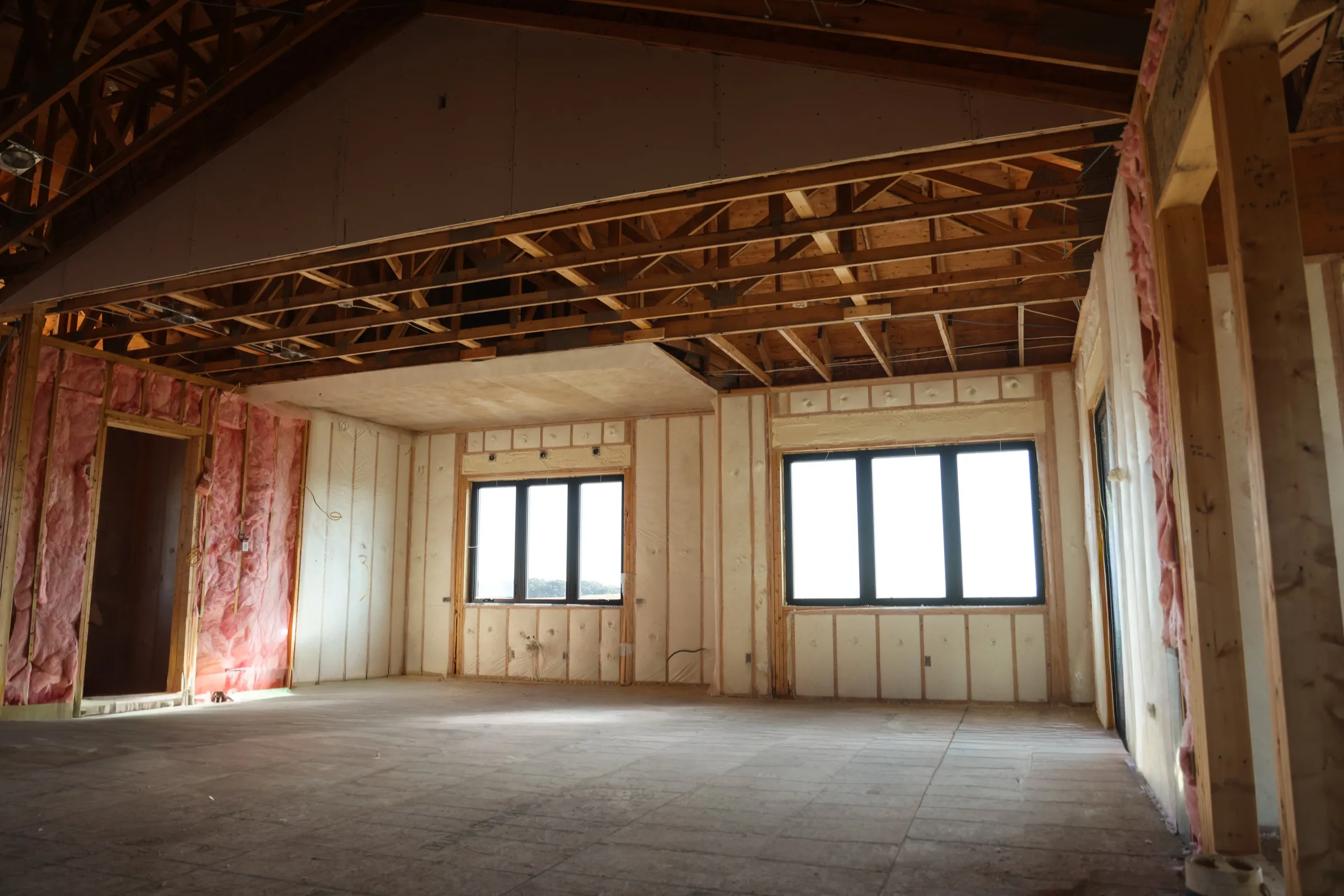
Need Spray Foam in Phoenix?
Talk with our team about your home, building or upcoming project.
Common Questions
Do you provide insulation services in Phoenix?
Yes. Phoenix Attic Insulation provides residential and commercial insulation in Phoenix, including spray foam insulation, blow-in insulation, batt insulation, radiant barriers, insulation removal, with free written estimates.
What type of insulation is best for Phoenix homes?
It depends on the building. Attics, walls, garages and additions each hold and lose heat differently, so we assess the space during a free estimate and recommend the material that fits rather than defaulting to one method.
How do I get a free insulation estimate in Phoenix?
Call us and we will schedule an on-site assessment of your Phoenix property, then give you a written scope and price before any work begins.