Blow-In Insulation in Arizona
Blown-in fiberglass and cellulose attic insulation, installed to code R-values.
Blown-In Insulation in Phoenix, AZ
Phoenix Attic Insulation installs blown-in insulation in attics across Phoenix, Glendale, Peoria, Laveen, and Avondale. This is our core service and the work we do most often, because for the typical Phoenix attic with trusses, wires, and ductwork crisscrossing the floor, blown-in material is the most practical way to build a deep, even layer of insulation. Call (602) 313-0276 for a free estimate and we will come measure your attic.
Here is why this matters so much in the Valley. On a summer afternoon your attic can hit 150 degrees or more. If your attic floor only has a few inches of old, settled insulation, that heat pushes straight into your ceiling drywall and your air conditioner never catches up. Bringing the attic floor up to R-38 with blown-in material is one of the highest-value upgrades a Phoenix homeowner can make, and most installs are finished in a single visit.
The signs are easy to read once you know them. Rooms far from the air handler that never cool down, a second story that runs ten degrees hotter than the first, and an air conditioner that starts in the morning and stops after midnight all point at the attic. Before you blame the equipment, let us measure what is actually over your ceiling.
Why Blown-In Is Our First Recommendation for Phoenix Attics
Blown-in insulation flows around obstructions instead of fighting them. The hose lays material down between and over truss chords, around junction boxes, past plumbing vents, and into the tight eave edges where batts never fit right. The result is a continuous blanket with no gaps at the framing, which is exactly what a desert attic needs.
It is also fast and cost-effective per unit of R-value. A typical single-story Phoenix attic can go from thin, patchy coverage to a full R-38 in a few hours of machine time. There is no tearing anything out, no cutting hundreds of batts to fit, and no weeks of disruption. For most homeowners we talk to, blown-in at the attic floor delivers more comfort per dollar than any other insulation approach.
The eave edges deserve special mention because they are where most attics fail quietly. Insulation has to run all the way out over the top plate without smothering the soffit vents, so we install baffles at the eaves first to hold the airway open, then blow material right up to them. Skipped baffles mean either a bare strip over your exterior walls or choked attic ventilation, and neither is acceptable on our jobs.
Blown-In Fiberglass vs Cellulose
Blown-in fiberglass is made from spun glass fibers and installs as a light, fluffy layer. It does not absorb moisture, it settles very little over time, and rodents find it less inviting than paper-based products. Its R-value runs lower per inch, typically in the R-2.2 to R-2.7 range as installed, so reaching R-38 takes more depth, usually somewhere around 14 to 18 inches depending on the product.
Cellulose is shredded recycled paper treated with borate for fire and pest resistance. It is denser than fiberglass, delivers roughly R-3.2 to R-3.8 per inch, and blocks air movement a bit better within the layer itself. The tradeoffs are weight, some settling over the years, and more dust during installation. Both products perform well in Phoenix attics when installed to the right depth over a sealed attic floor. We install both and will recommend based on your attic conditions and budget, not on what happens to be on the truck.
The practical difference often comes down to your specific attic. Low-pitch roofs with limited clearance near the eaves favor cellulose because you get more R-value in less depth where there is no room to spare. Wide-open attics where depth is no constraint do great with fiberglass. During the estimate we measure the clearances and show you what each product would actually look like in your space.
Reaching R-38 in Your Attic
Federal energy guidance puts our climate zone at R-38 to R-60 for attic floors, and R-38 is the target we recommend as the practical minimum for Phoenix homes. If your attic currently has six inches of settled material, you are probably sitting around R-13 to R-19, which is less than half of what the desert sun demands. That gap is why your second floor or your back rooms run hot all summer.
We install depth markers throughout the attic so you can confirm coverage yourself after the job, and we blow to the settled depth the product bag specifies for R-38, not a guess. If your long-term budget allows going beyond R-38 toward R-49, we will show you what the added material costs and let you decide. More depth costs less than most people expect once the crew and machine are already on site.
Coverage matters as much as depth. An attic that reads R-38 in the middle but has bare patches around the hatch, the bath fans, and the eaves does not perform like R-38. We work the corners and edges deliberately and keep the layer uniform, because heat finds the thin spots the same way water finds a leak.
Air Sealing Before We Blow
Insulation slows heat, but it does not stop air. Before we blow a single bag, we seal the attic floor: top plates, wire and pipe penetrations, plumbing chases, dropped soffits, bath fan housings, and the gaps around recessed lights using covers rated for contact with insulation. In a Phoenix attic, where 150-degree air is pressing down on your ceiling for months, these leaks are not small details. They are a major share of your cooling load.
Skipping the sealing step is the most common shortcut we see from cheap quotes, and it is why some homes get re-insulated and barely feel different. Air sealing takes time on our hands and knees before the machine ever starts, and we include it because it is what makes the R-value you pay for actually show up in your comfort and your bills.
The attic access itself gets attention too. An unsealed, uninsulated hatch is a hole in the middle of your ceiling, so we weatherstrip the perimeter and insulate the back of the cover as part of the job. It is a small detail that a lot of crews walk right past, and it is one of the first things we show you on the final walkthrough.
Ducts in a 150-Degree Attic
Most Phoenix homes have their ductwork and often the air handler sitting in the attic. Every degree of attic heat is trying to push into those ducts while your 55-degree supply air runs through them. Duct leakage and heat gain in a hot attic can waste a meaningful share of your cooling before air reaches the registers.
Deep blown-in insulation attacks this problem in two ways. It lowers the temperature difference between the attic and your living space, and where layout allows, ducts can be buried under the insulation layer so they sit in a much milder environment. We will flag badly kinked, disconnected, or unsealed duct sections when we see them so you can address those separately. Pairing deep attic insulation with a radiant barrier on the rafters is another combination worth discussing for duct-heavy attics.
There are limits to burying ducts and we will be straight about them. Ducts need to be in decent shape and properly supported before they go under a deep layer, and some layouts simply do not allow full burial. Where burial works, the supply air arriving at far registers comes out measurably cooler, and where it does not, we will tell you what the next best option is.
What Install Day Looks Like
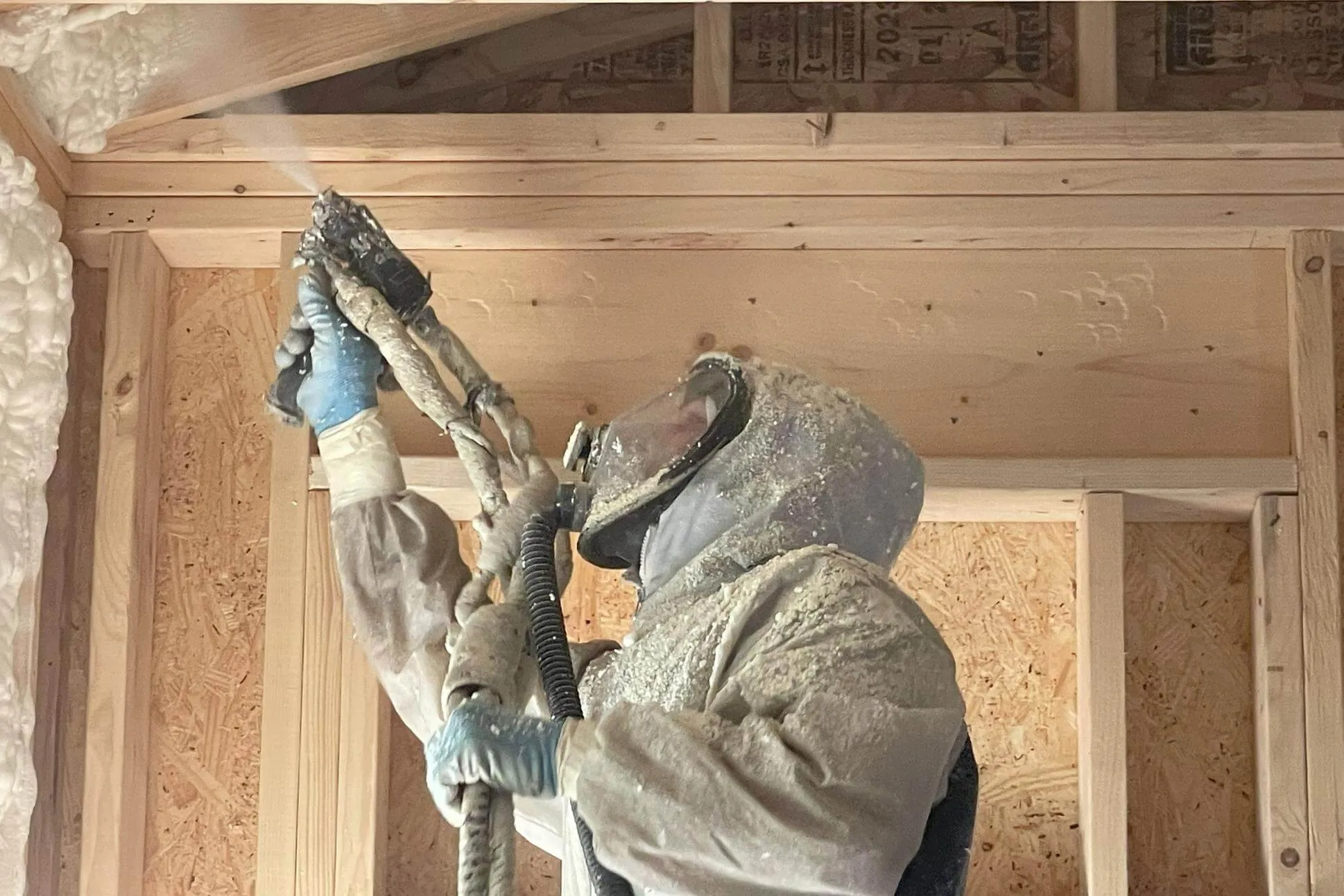
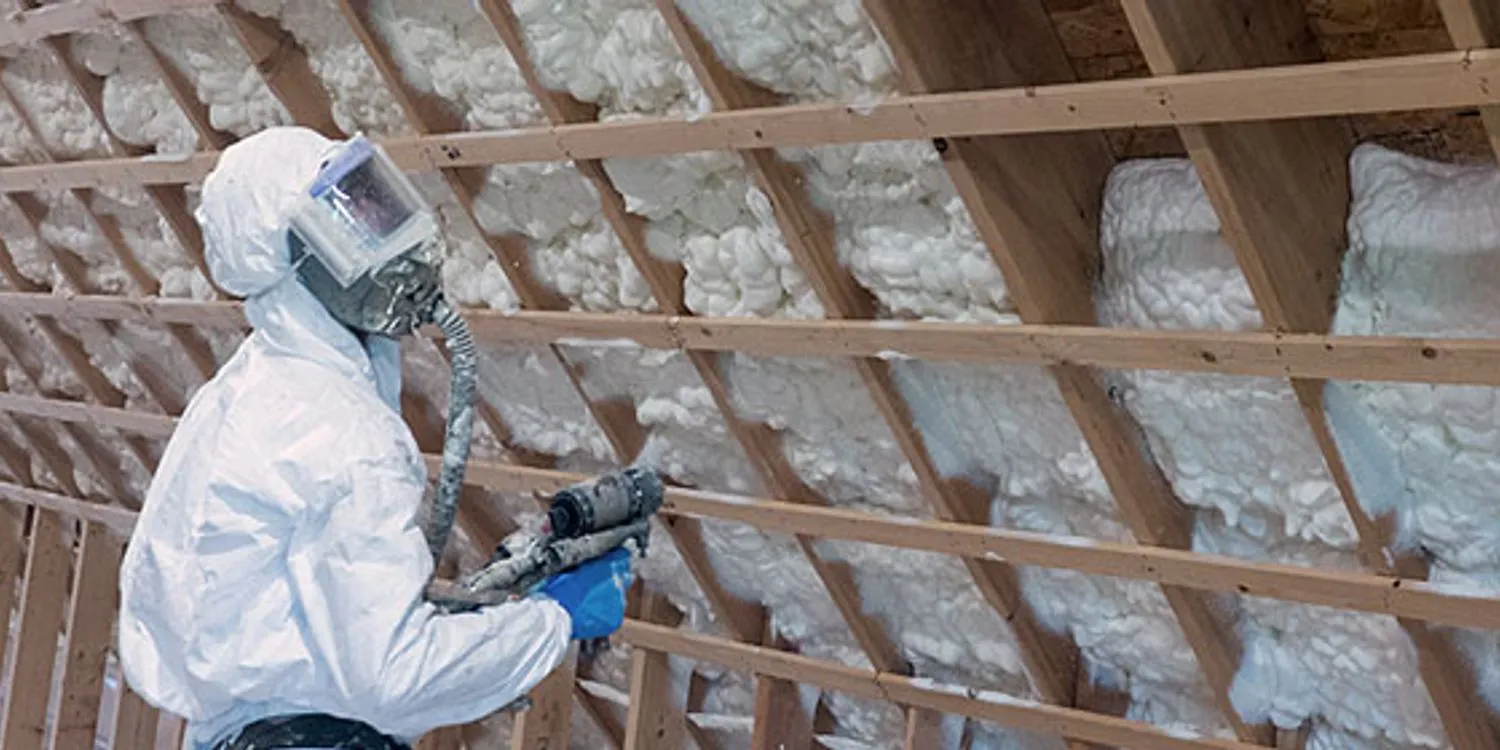
The blowing machine stays at the truck and a long hose runs in through a window or the attic access. We protect your floors along the path, do the air sealing prep first, then blow the attic to marked depth, working from the far corners back to the hatch. A typical single-family attic takes a few hours from arrival to cleanup, and you can stay in the house the whole time.
When we finish, we walk you through the result, show you the depth markers, and leave the work area cleaner than we found it. We are a service-area business covering Phoenix and the West Valley, so there is no office you need to visit. Everything happens at your home. Call (602) 313-0276 and we will get you on the schedule.
A few things help the day go smoothly. Clearing a path to the attic access and moving anything stored directly under it keeps dust out of your belongings, and pointing out any known roof leaks or old wasp nests when we arrive saves everyone surprises. We handle the rest, including the hot, cramped part nobody wants to do themselves.
Get a Blown-In Insulation Quote
If your energy bills spike every June and your house will not hold temperature after sunset, your attic is the first place to look. Phoenix Attic Insulation will come out, measure what you have, and give you a written price to bring it to R-38 the right way, with air sealing included. Homeowners in APS and SRP areas can also check current utility rebate programs for attic insulation before scheduling. Call (602) 313-0276 today for your free estimate.
Real Arizona Projects
Other Insulation Services
Common Questions
Is blow-in insulation a good fit for Phoenix-area buildings?
Yes. Blow-In Insulation works well for many Phoenix-area homes and commercial buildings, but the right choice depends on the space, the assembly and how it is used. During a free estimate we confirm whether blow-in insulation or another option fits your building.
How much does blow-in insulation cost?
Cost depends on the area being treated, the material and thickness, access and prep. Estimates are free and given in writing, so you know the price before any work begins.
How long does a blow-in insulation project take?
Most projects are completed quickly once scheduled. Your written estimate includes the expected timeline for your specific Phoenix-area project.
Want to Know What Your Project Would Cost?
Tell us about the property and we'll help you determine the next step.
Free Written Estimates • No Obligation • Local Arizona Team