Spray Foam Insulation in Glendale, AZ
Professional spray foam insulation for Glendale homes, garages, additions, metal buildings and commercial properties.
Attic Insulation Contractor Serving Glendale, AZ
Glendale is really two cities under one roof when it comes to housing. Near downtown, around the Catlin Court historic district, you find early-1900s bungalows alongside postwar block homes, many still carrying insulation that was installed decades ago and has long since stopped doing its job. Push west toward the stadium district and the landscape flips to 1990s and 2000s stucco and tile subdivisions with truss roofs, tight soffits, and builder-grade attic fill that was thin the day the house sold. Phoenix Attic Insulation works in both, and we treat them differently, because they need different things.
We are an attic-first insulation contractor. That means blown-in fiberglass and cellulose, old insulation removal, radiant barriers, and attic air sealing sit at the center of what we do, with spray foam available for the targeted spots where it makes sense. We serve Glendale as a service-area business, so we come to you. Call (602) 313-0276 to schedule an attic evaluation.
Older Ranch Homes Near Downtown Glendale vs. Newer Stadium District Builds
The ranch homes south of Glendale Avenue and around the older streets near Murphy Park were built when energy was cheap and insulation standards were modest. Many of these homes started life with R-11 or less in the attic, often as thin batts that have slumped, shifted, or been trampled flat by decades of attic traffic from cable installers and HVAC techs. Block construction holds heat long after sunset, so an under-insulated attic in one of these homes stacks radiant heat on top of warm walls well into the evening. You also see older evaporative cooler penetrations, unsealed can lights, and open chases that let conditioned air leak straight into the attic.
The newer subdivisions near the stadium district and along the Loop 101 corridor have a different problem. These homes were typically insulated to the code minimum at the time, usually blown fiberglass in the R-19 to R-30 range, and the fill is often compressed around eaves, skipped around recessed fixtures, or disturbed where ducts were run. The ductwork itself usually lives in the attic, where summer temperatures climb past 150 degrees. Two homes five miles apart in Glendale can need completely different scopes of work, which is why we start every job with an actual attic inspection instead of a quote over the phone.
Hitting R-38 in a Glendale Attic
The U.S. Department of Energy recommends R-38 as a baseline for attics in our climate zone, and in practice many Glendale homes benefit from going a bit higher, toward R-38 to R-49, because the summer attic load here is extreme. When the roof deck bakes at 150 degrees or more on a July afternoon, every inch of insulation between your ceiling and that heat matters. R-value is a measure of resistance to heat flow, and doubling a weak R-11 attic to R-38 changes how the whole house feels, especially in rooms at the end of long duct runs.
During an inspection we measure the existing depth and type of fill, check for compression and bare spots, and tell you honestly whether you need a full removal or just a top-up. Plenty of Glendale attics only need fresh material blown over clean existing insulation to reach R-38, which keeps the project simple. We leave depth markers in the attic so you can confirm the installed coverage yourself, and we document what was there before and after.
Blown-In Fiberglass or Cellulose: Picking the Right Fill
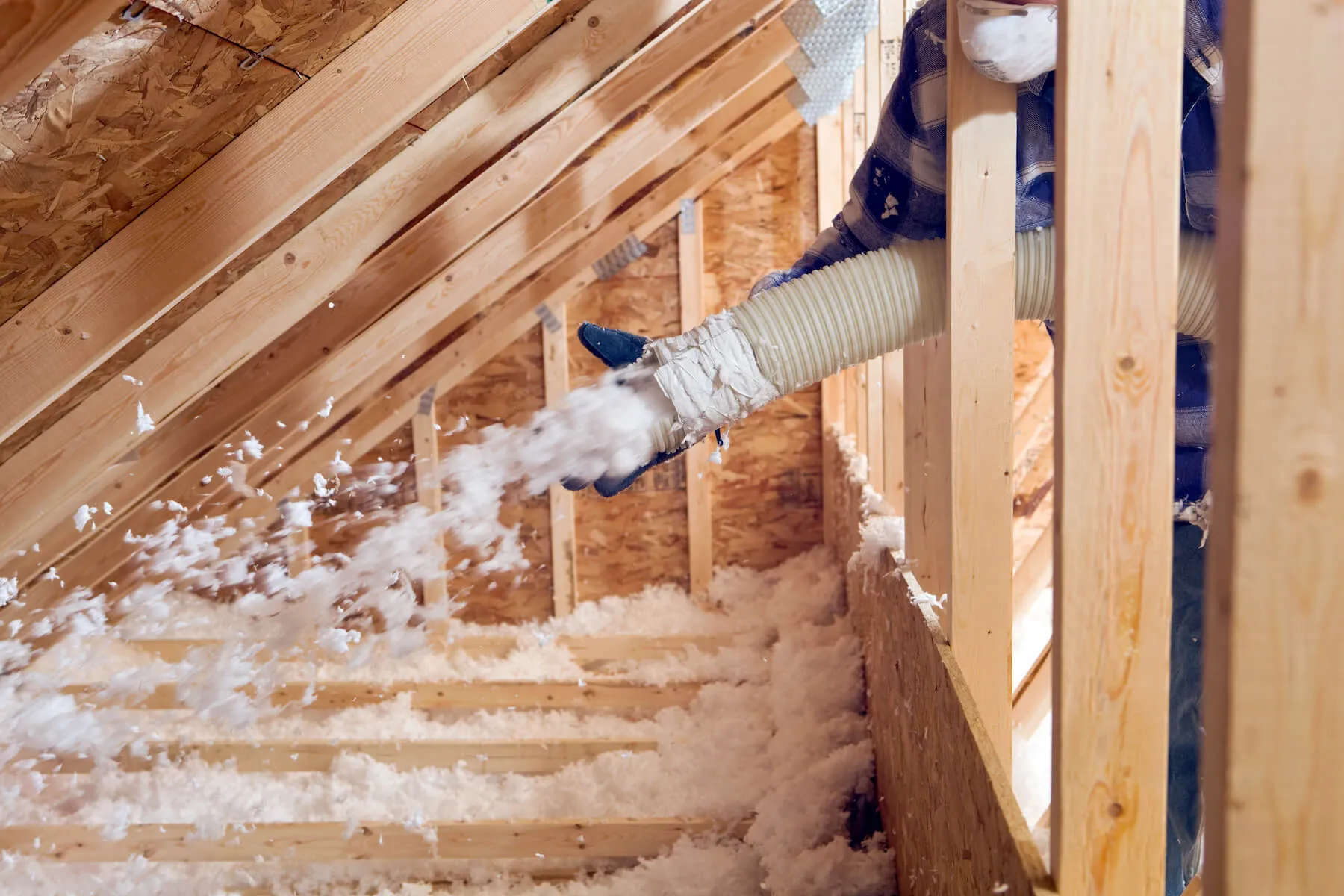
Blown-in fiberglass is the most common upgrade we install in Glendale. It is lightweight, it does not absorb moisture, it resists settling, and it does not provide food or nesting value to pests. For open attics with truss framing, which describes most of the newer stadium district homes, fiberglass blows in fast and covers evenly to the target depth.
Cellulose is the other strong option, and it earns its place in many of the older ranch homes. It is denser than fiberglass, so it does a better job of slowing air movement through the fill itself, and it fills irregular joist bays and odd cavities well. Cellulose is treated with borate for fire and pest resistance. The tradeoffs are that it is heavier, it settles somewhat over time, and it holds moisture if a roof leak goes unnoticed. For retrofit walls in those solid 1970s ranch homes, dense-pack cellulose is often the right call. We walk you through the honest pros and cons of each material for your specific attic before you commit to anything.
Insulation Removal and Rodent Contamination
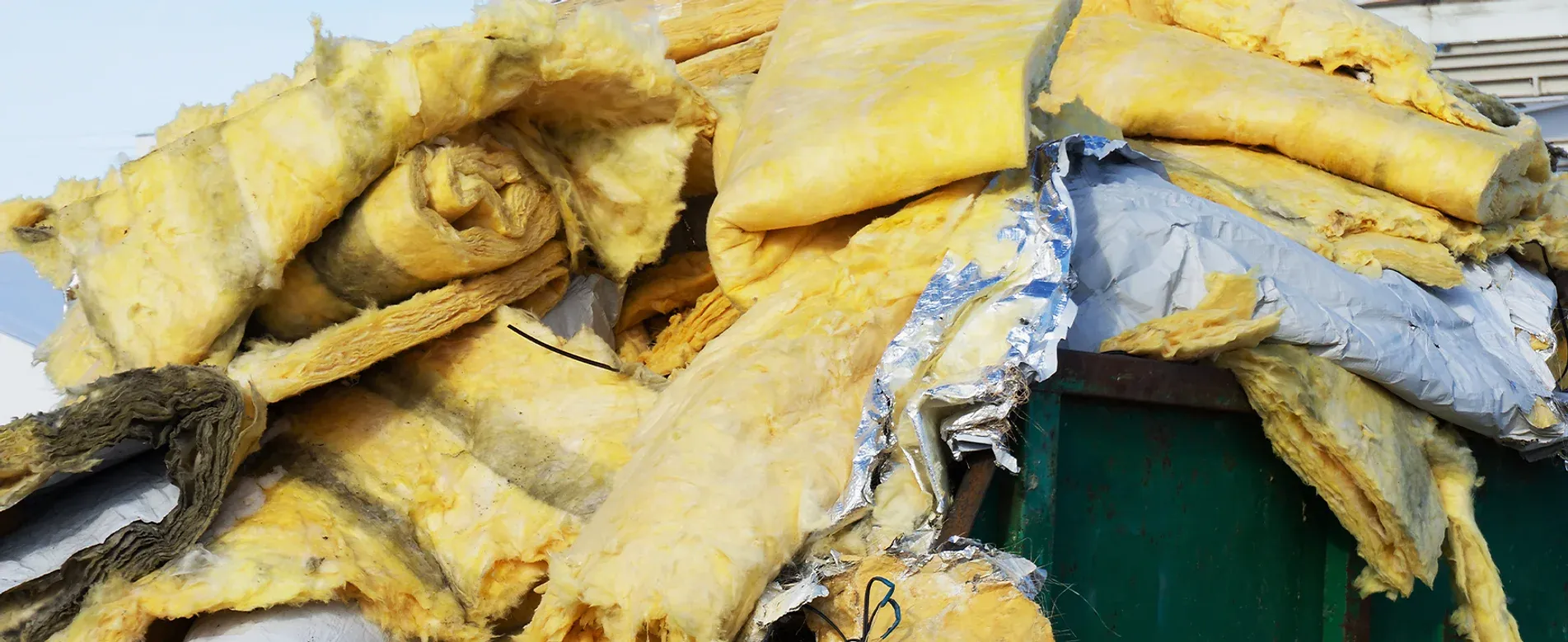
Glendale's older neighborhoods still have mature citrus trees, date palms, and established landscaping, and that means roof rats. Rats travel fence lines and branches onto rooftops, find gaps at eaves and tile returns, and set up in the attic where insulation makes ideal nesting material. Once they are in, they tunnel through the fill, compress it, and contaminate it with droppings and urine. Insulation in that condition is not just underperforming, it is a health concern, and blowing fresh material over it does not fix anything.
Our removal process starts with confirming the entry points are identified so the problem does not repeat. We then vacuum out the contaminated insulation with truck-mounted equipment, remove nesting debris, and treat the attic floor with a sanitizing agent. Only after the attic is clean and the access points are addressed do we blow in fresh insulation to the R-38 target. If your Glendale home has scratching sounds in the ceiling at night or a musty smell that will not go away, an attic inspection is the right first step.
Radiant Barriers for West Valley Attics
Radiant heat is the dominant way a Glendale attic heats your house. The sun cooks the tile or shingle roof, the roof deck radiates that heat downward, and your insulation and ceiling absorb it. A radiant barrier is a reflective foil surface installed under the roof rafters that reflects most of that radiant energy back toward the roof instead of letting it soak into the attic. It works alongside your insulation, not in place of it: the barrier reduces how much heat arrives, and the R-38 fill resists whatever gets through.
Radiant barriers deliver the most noticeable results in homes with ductwork and air handlers in the attic, which is most of the newer construction along the 101. Keeping the attic cooler means the ducts carry cooler air. In older ranch homes with the air handler in a hallway closet, the benefit shows up more in overall ceiling temperatures. We install barriers as part of a larger attic plan rather than selling them as a magic fix, because no single product replaces proper insulation depth and air sealing.
Duct Losses and Air Sealing in Glendale Attics
A typical forced-air system moving through a 150-degree attic loses a meaningful share of its cooling before the air ever reaches your rooms. Industry testing commonly finds duct leakage in the range of 20 to 30 percent in older systems, and even newer flex duct runs develop loose connections, kinks, and dried-out tape joints over time. On the return side, a leak does something worse than waste air: it pulls hot attic air, dust, and insulation fibers directly into your system.
We seal accessible duct connections with mastic, insulate exposed runs, and flag anything that needs an HVAC contractor's attention. Alongside the ducts, we air seal the attic floor itself: top plates, plumbing and wire penetrations, recessed light housings rated for insulation contact, and the attic hatch. Air sealing is unglamorous work, but on older Glendale ranch homes it often delivers as much comfort improvement as the insulation itself, because those homes leak in places newer construction does not.
APS Rebates for Glendale Homeowners
Most of Glendale sits in APS service territory, with some pockets near the Phoenix border in SRP territory, so the first step is checking which utility actually serves your address. Both utilities have historically offered home energy programs that can include rebates for attic insulation, duct sealing, and whole-home efficiency upgrades, usually tied to a home energy assessment and work performed by participating contractors. Program details, eligibility rules, and amounts change from year to year.
We do not quote rebate dollar figures because we will not promise you something a utility program controls. What we can do is point you to the current APS or SRP program pages, explain what the programs have generally covered, and make sure your project documentation is in order so you can apply. Homeowners we work with in Peoria and Avondale go through the same process, since territory lines in the West Valley can shift within a few blocks. It is worth the ten minutes to check before you schedule, because pre-approval is sometimes required.
Spray Foam for Targeted Glendale Projects
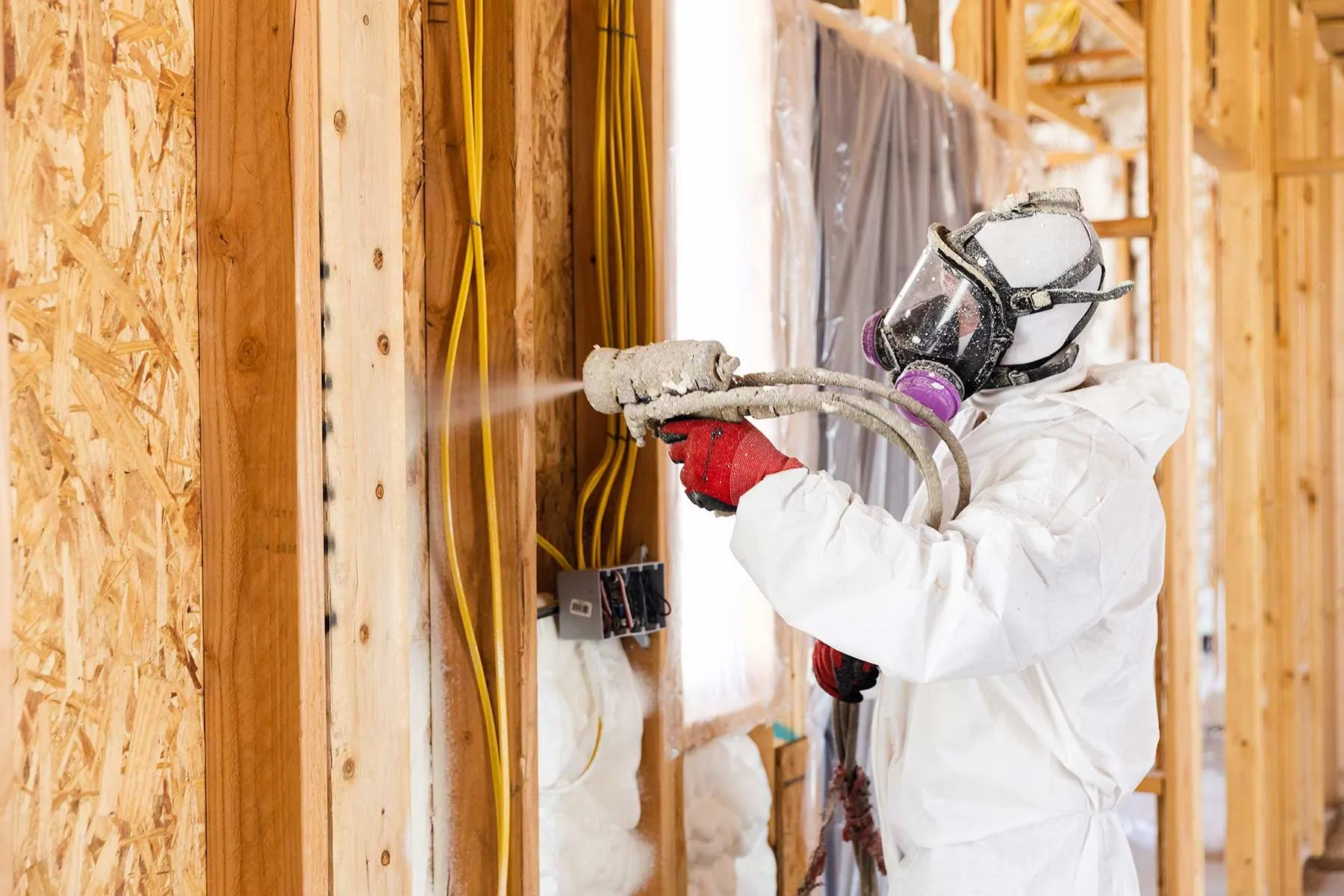
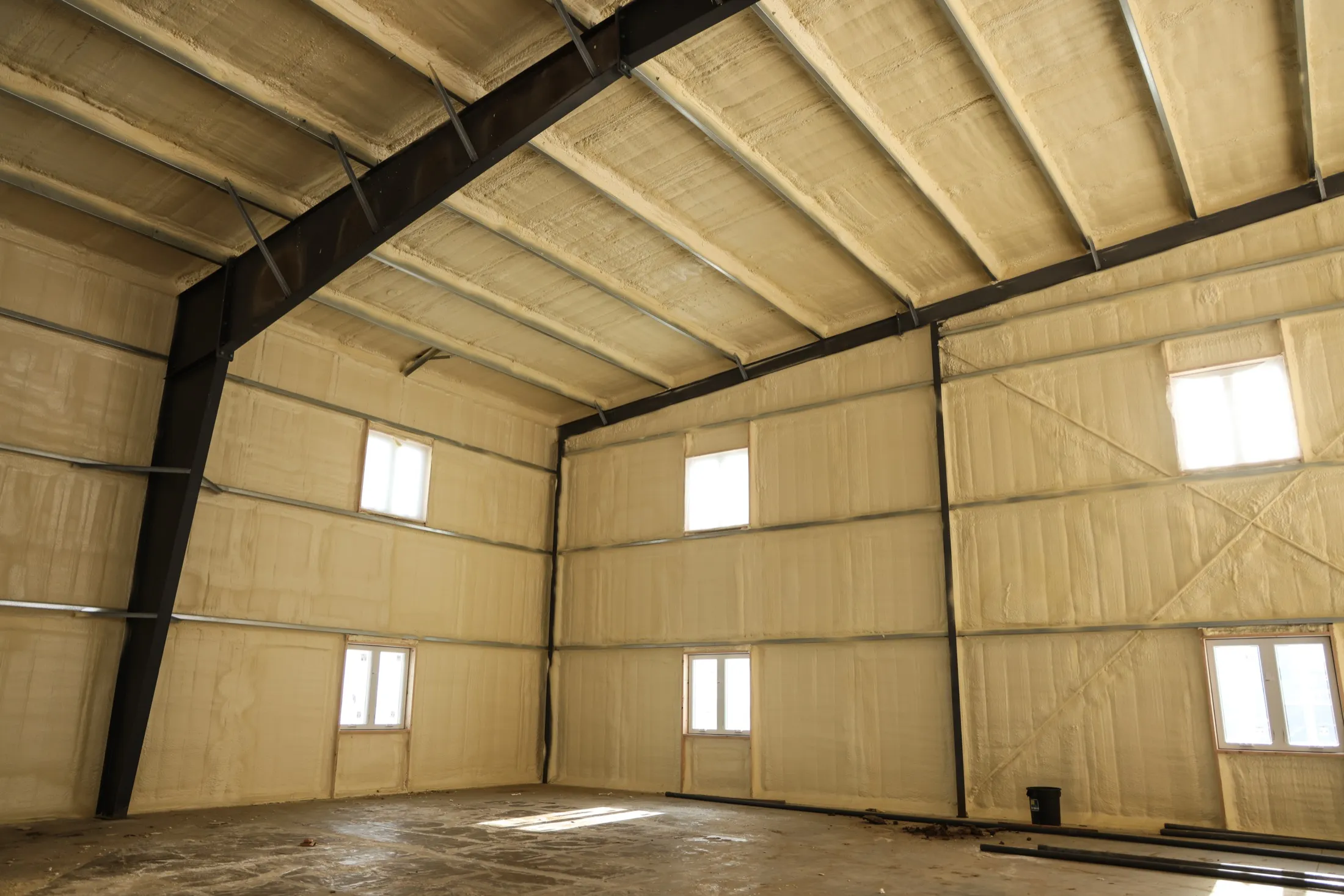
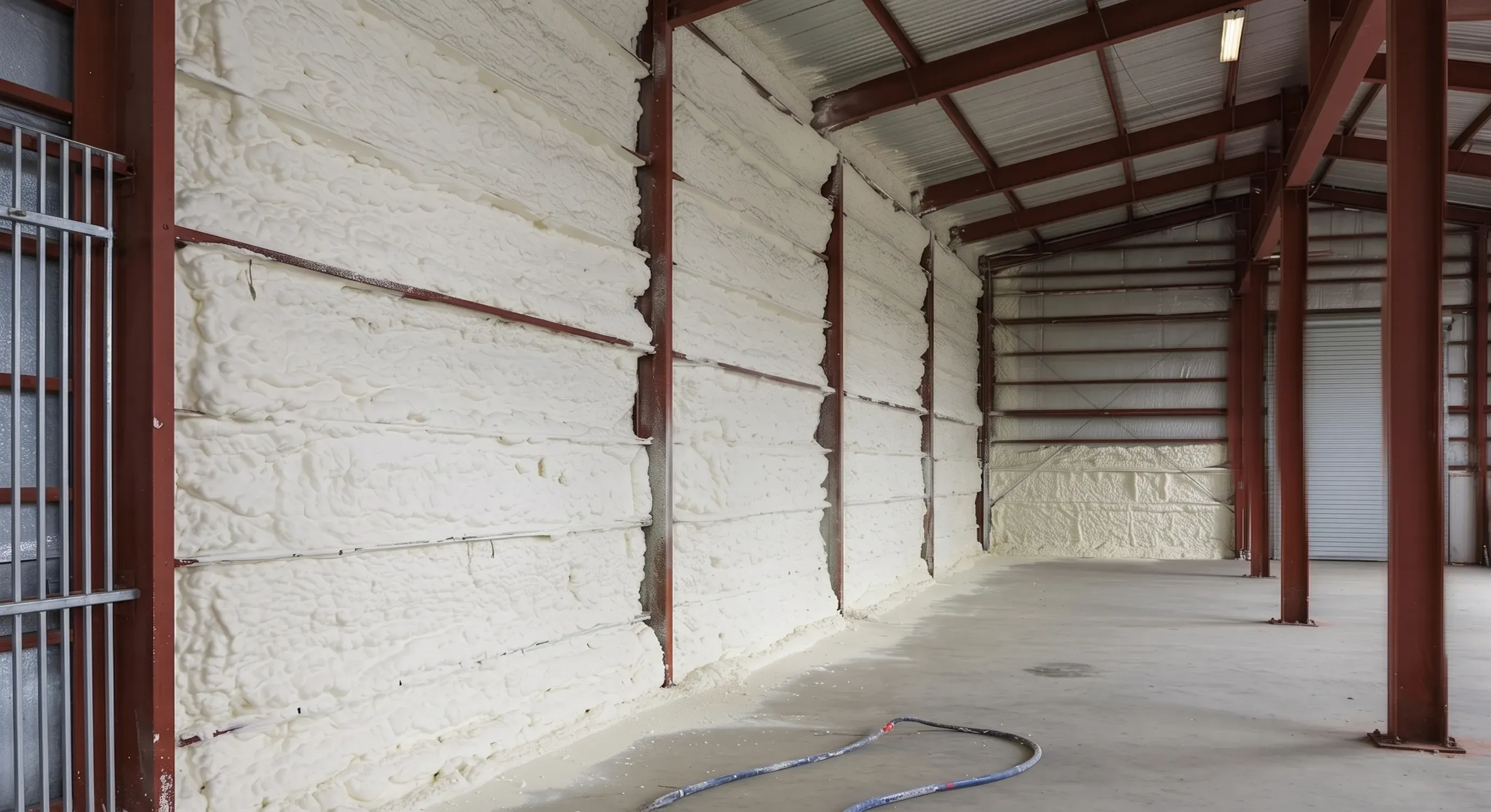
Spray foam is not our first recommendation for every attic, but there are Glendale projects where it is genuinely the right tool. Rim joists and hard-to-reach transitions in older ranch homes, garage ceilings under bonus rooms in the newer two-story builds, and roofline encapsulation for homes where ductwork and equipment cannot reasonably stay in a vented attic are all situations where foam outperforms blown material.
Open-cell foam works well for large roofline applications where some permeability is acceptable and budget matters. Closed-cell foam adds structural rigidity and a higher R-value per inch for tight spaces and exterior applications. When we recommend foam, it is because the geometry or the moisture dynamics of your house call for it, not because it carries a higher ticket price. For a straightforward vented attic in Glendale, blown-in insulation at R-38 with air sealing is usually the better value, and we will tell you that plainly.
Frequently Asked Questions
How much insulation does my Glendale attic need?
The Department of Energy recommends R-38 for attics in our climate zone, and many Glendale homes do best in the R-38 to R-49 range. What you have now varies widely: older ranch homes near downtown often measure R-11 or less, while newer subdivisions frequently sit around R-19 to R-30. We measure during the inspection and quote exactly what it takes to reach the target.
What does attic insulation cost in Glendale?
Every attic is different, so we quote after inspecting rather than guessing. As a general reference, typical blown-in insulation projects in the Valley often fall somewhere in a broad range depending on attic size, target depth, and whether removal is needed, and removal-plus-reinsulation projects cost more than simple top-ups. Treat any number you see online as a rough range only. Your written quote after inspection is the real number.
How long does a blown-in installation take?
Most straightforward blown-in jobs in a standard Glendale attic finish in a few hours, and homeowners are usually back to normal the same day. Projects that include insulation removal take longer, typically the better part of a day depending on attic size and how much contaminated material has to come out. We give you a realistic window when we quote the job.
Do I need to remove my old insulation before adding new?
Usually no. If the existing insulation is dry, clean, and free of pest contamination, we blow new material right over it and count the combined R-value. Removal makes sense when the old fill is contaminated by rodents, wet from a roof leak, moldy, or so badly degraded that it interferes with even coverage. We inspect first and only recommend removal when there is a real reason.
Are roof rats actually a problem in Glendale?
Yes, particularly in the older neighborhoods with mature citrus and palm trees, which Glendale has in abundance. Roof rats are established across the Valley, and attics are their preferred nesting spots. Signs include scratching at night, droppings, and a musky odor. If you suspect activity, have the entry points sealed and the contaminated insulation removed before reinsulating, otherwise the problem just continues under new material.
Will new attic insulation lower my APS bill?
Proper insulation, air sealing, and duct sealing reduce how hard your air conditioner works, and for most under-insulated Glendale homes that translates into lower summer bills. Actual savings depend on your home, your habits, and your system, so we do not quote percentages. What we can say is that the attic is usually the single biggest source of heat gain in a Valley home, which is why utilities have historically offered rebates for this work.
Do you serve areas outside Glendale?
Yes. We are a service-area business covering the broader Phoenix metro, including Peoria, Phoenix, and Avondale, and we come to your home for the inspection and the work. Call (602) 313-0276 and we will confirm scheduling for your address.
Schedule Your Glendale Attic Inspection
Whether your home is a 1970s block ranch near downtown Glendale or a two-story stucco build out by the stadium district, the attic is where your cooling costs are won or lost. Phoenix Attic Insulation handles blown-in insulation, removal of contaminated material, radiant barriers, air sealing, and targeted spray foam, all starting with an honest look at what is actually above your ceiling.
Call (602) 313-0276 to schedule your attic evaluation. We will measure your current insulation, check for rodent damage and air leaks, and give you a written scope with no pressure. If your attic is already in good shape, we will tell you that too.
Insulation Services Available in Glendale
Need Spray Foam in Glendale?
Talk with our team about your home, building or upcoming project.
Common Questions
Do you provide insulation services in Glendale?
Yes. Phoenix Attic Insulation provides residential and commercial insulation in Glendale, including spray foam insulation, blow-in insulation, batt insulation, radiant barriers, insulation removal, with free written estimates.
What type of insulation is best for Glendale homes?
It depends on the building. Attics, walls, garages and additions each hold and lose heat differently, so we assess the space during a free estimate and recommend the material that fits rather than defaulting to one method.
How do I get a free insulation estimate in Glendale?
Call us and we will schedule an on-site assessment of your Glendale property, then give you a written scope and price before any work begins.