
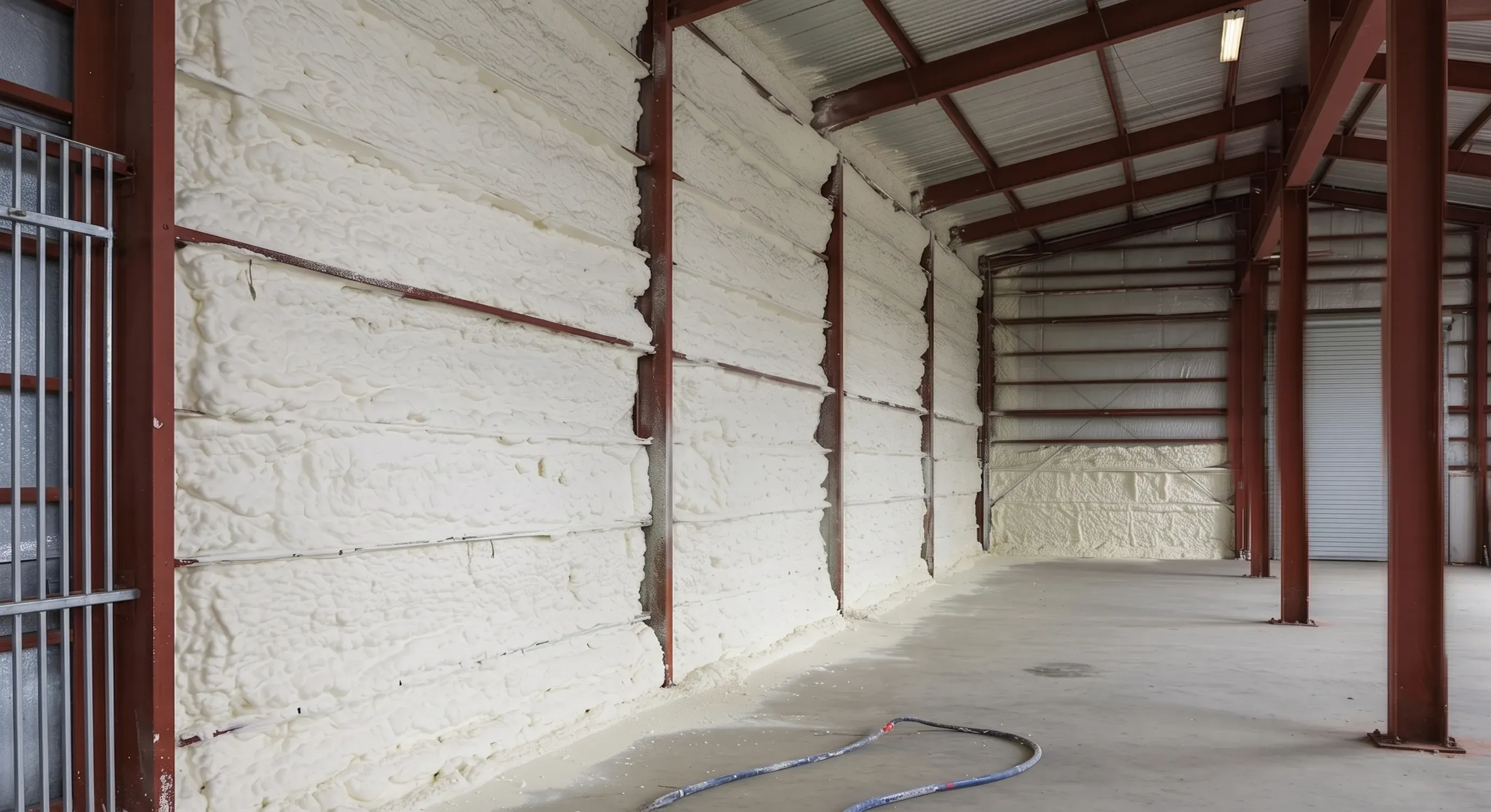
Batt Insulation in Arizona
Fiberglass batt installation for walls, ceilings, and new construction.
Batt Insulation in Phoenix, AZ
Phoenix Attic Insulation installs fiberglass batt insulation for homeowners across Phoenix, Glendale, Peoria, Laveen, and Avondale. Batts are the pre-cut blankets of insulation most people picture, and in the right locations they do solid work. In the wrong locations they underperform badly, so part of our job is telling you which situation your house is in. Call (602) 313-0276 for a free estimate and an honest read on your project.
We are an attic-first company working in a climate where attic temperatures blow past 150 degrees all summer. That shapes how we think about batts. On an open attic floor full of trusses and obstructions, blown-in material usually wins. In garage ceilings, knee walls, framed walls, and open new construction, batts are often the cleanest and most economical choice. We install both, so our recommendation is based on fit, not inventory.
That distinction matters more here than in mild climates. A batt with a two-inch gap beside it is a minor flaw in a gentle climate and a real heat leak when the air on the other side is 150 degrees for four months straight. Fitment discipline is the whole game with batts, and it is where most DIY and rushed contractor jobs fall apart.
Where Batt Insulation Works Best
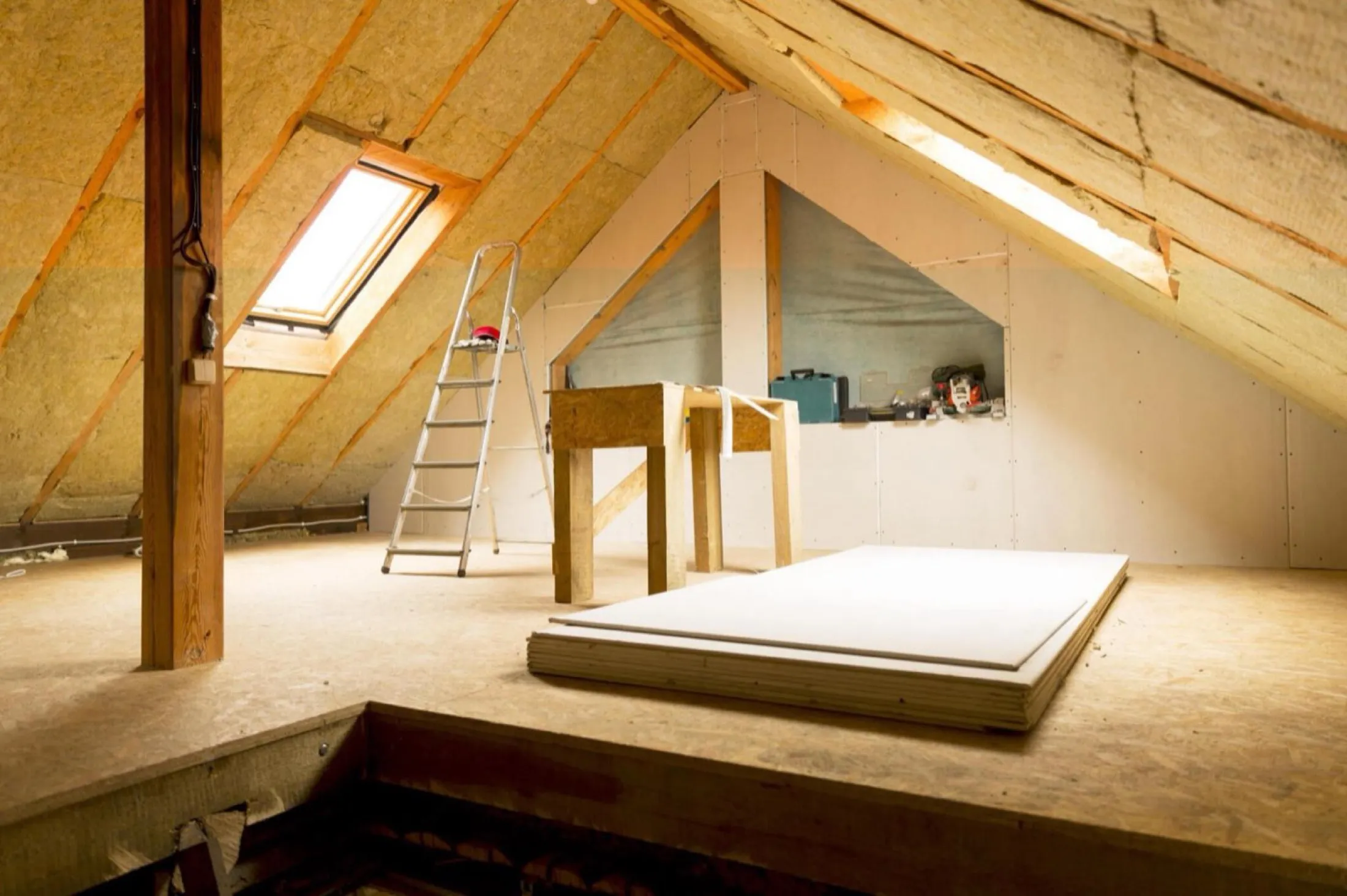
Batts perform best in open, uniform framing: standard stud walls, standard joist bays, and rafter cavities where the material can lie flat and fill the cavity fully edge to edge. New construction, additions, and remodels with exposed framing are ideal batt territory. The material goes in fast, the R-value per cavity is predictable, and inspection is easy because everything is visible.
Batts struggle anywhere the framing is irregular or crowded. Every wire, pipe, brace, and junction box forces a cut, and every cut is a chance for a gap. A batt installed with gaps and compression loses a real share of its rated R-value. That is why we are picky about where we recommend them. Installed properly in the right cavity, batts are excellent. Stuffed carelessly into cluttered spaces, they disappoint.
The fitment problems are predictable and we see the same ones constantly: batts split and tucked behind wires leaving a cold strip, batts compressed sideways into narrow bays, batts jammed around electrical boxes with gaps at every corner, and batts hanging loose in vaulted sections with air washing behind them. Each one turns rated R-value into a fraction of itself. When we install batts, we cut around obstructions properly, split material to wrap wiring, and friction-fit every bay fully so the rating on the bag is what ends up in your wall.
Faced vs Unfaced Batts in the Desert
Faced batts carry a kraft paper or foil layer stapled to one side. In cold climates that facing acts as a vapor retarder and its placement matters a lot. In the Phoenix desert, vapor drive works differently than in the Midwest, and the bigger practical benefits of facing are the staple tabs that help hold batts in place on vertical surfaces and the air-slowing skin on one side.
Unfaced batts are the right call for layering over existing attic floor insulation, for interior walls, and for any cavity where a facing would trap moisture against the wrong surface. We choose faced or unfaced based on the assembly, not habit. If you have been told you must have faced batts everywhere, or never need them at all, neither rule survives contact with actual Phoenix construction. We will look at your framing and tell you which product belongs there.
One rule we do follow everywhere: never sandwich facing between layers or against a surface where it can trap condensation, and never leave kraft facing exposed in a garage or attic where code wants a thermal or ignition barrier over it. These are the details that separate a batt job that passes inspection from one that gets torn out.
Batts vs Blown-In on the Attic Floor
This is the comparison Phoenix homeowners ask about most. A typical Valley attic has trusses every two feet, cross bracing, electrical runs, ductwork, and recessed light housings spread across the floor. Fitting batts around all of that leaves seams and gaps everywhere, and those gaps are expensive when the air above them is 150 degrees. Blown-in material flows over and around everything and leaves a continuous layer, which is why we recommend it for most existing attic floors.
Batts still have a place in attics. In newer homes with open parallel-chord trusses and clear bays, batts can be laid cleanly and perform well. They are also useful for insulating attic access covers and for spot repairs. If your attic is one of the ones where batts genuinely fit, we will say so and price it both ways so you can compare.
For attic floors specifically, the deciding factors are obstructions and target depth. Hitting R-38 with batts means layering thick material across framing that is already crowded, while blown-in reaches that depth in one pass over everything. We will show you the math both ways at your house, because there are edge cases where the batt route is simpler and we have no interest in steering you wrong.
Garage Ceilings, Knee Walls, and Room Additions
Some of the most uncomfortable rooms in Phoenix homes sit over garages or beside attic knee walls. The garage ceiling below a bedroom is a perfect batt application: open joist bays, easy access during construction or with drywall down, and a huge comfort payoff upstairs. We install high-density batts sized to the joist depth so the floor above stops radiating heat every afternoon.
Knee walls, the short vertical walls between a conditioned room and attic space, are another batt stronghold. We sheath the attic side so the batts stay put and stop wind-washing from the vented attic. Room additions, converted patios, and bonus rooms with open framing round out the list. These are the jobs where batts earn their keep, and we do a lot of them across the West Valley.
The wind-washing point deserves emphasis because it is invisible once the job is done. In a vented Phoenix attic, hot air moves across any exposed batt face, and moving air strips the insulating value out of fiberglass fast. Any batt on a knee wall or attic-side surface gets a rigid backing or housewrap layer on the attic side. It adds a step to the job and it is the difference between the rating on the package and the performance in your room.
Getting the R-Value Right
Batts come rated by cavity depth: R-13 and R-15 for two-by-four walls, R-19 and R-21 for two-by-six, R-30 and R-38 for ceiling joists and rafters. The rating only holds if the batt fills the cavity fully without compression. Cramming an R-30 batt into a space meant for R-19 does not give you R-30. It gives you roughly the R-value of the depth it was squeezed into, plus installation gaps.
For Phoenix attic floors the target is R-38, and if batts are the right fit for your attic we use material rated for that depth and lay a second layer perpendicular across the joists where needed to break thermal bridging through the wood. We measure first, then specify. Call (602) 313-0276 and we will tell you what your framing can actually hold.
Thermal bridging through the framing itself is the quiet penalty in any batt job. Wood studs and joists conduct heat far better than insulation, so a wall or ceiling full of perfectly installed batts still loses heat through every member. The perpendicular second layer on attic floors and careful attention to headers and corners are how we claw that performance back.
Request a Batt Insulation Estimate
Whether you are finishing a garage conversion in Glendale, adding a room in Peoria, or trying to fix a bedroom that bakes over the garage in Laveen, Phoenix Attic Insulation will come look at the framing and give you a straight recommendation between batts and blown-in. Written estimates, no pressure, and no showroom visit required because we come to you. Call (602) 313-0276 to schedule your free estimate.
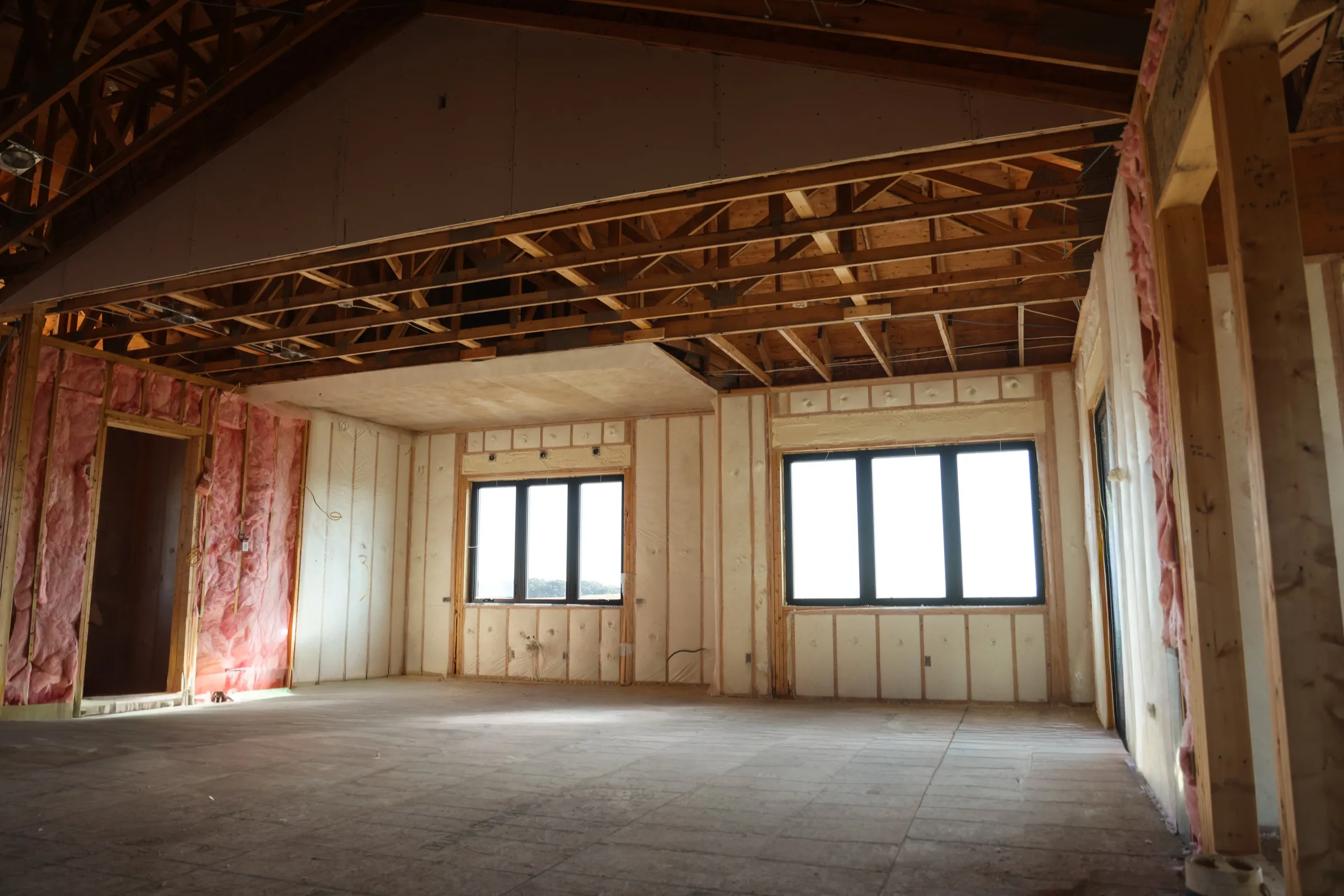
Real Arizona Projects
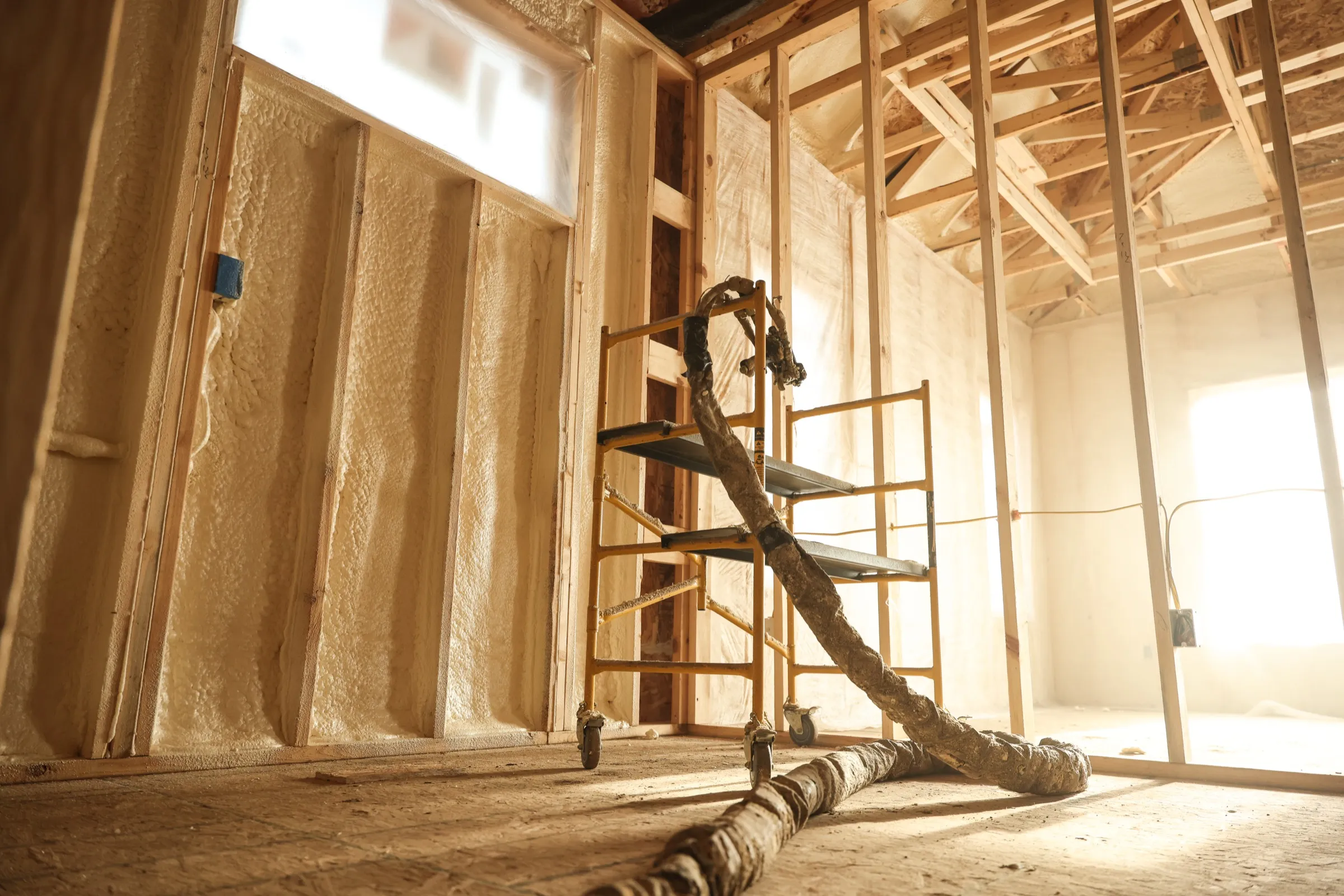
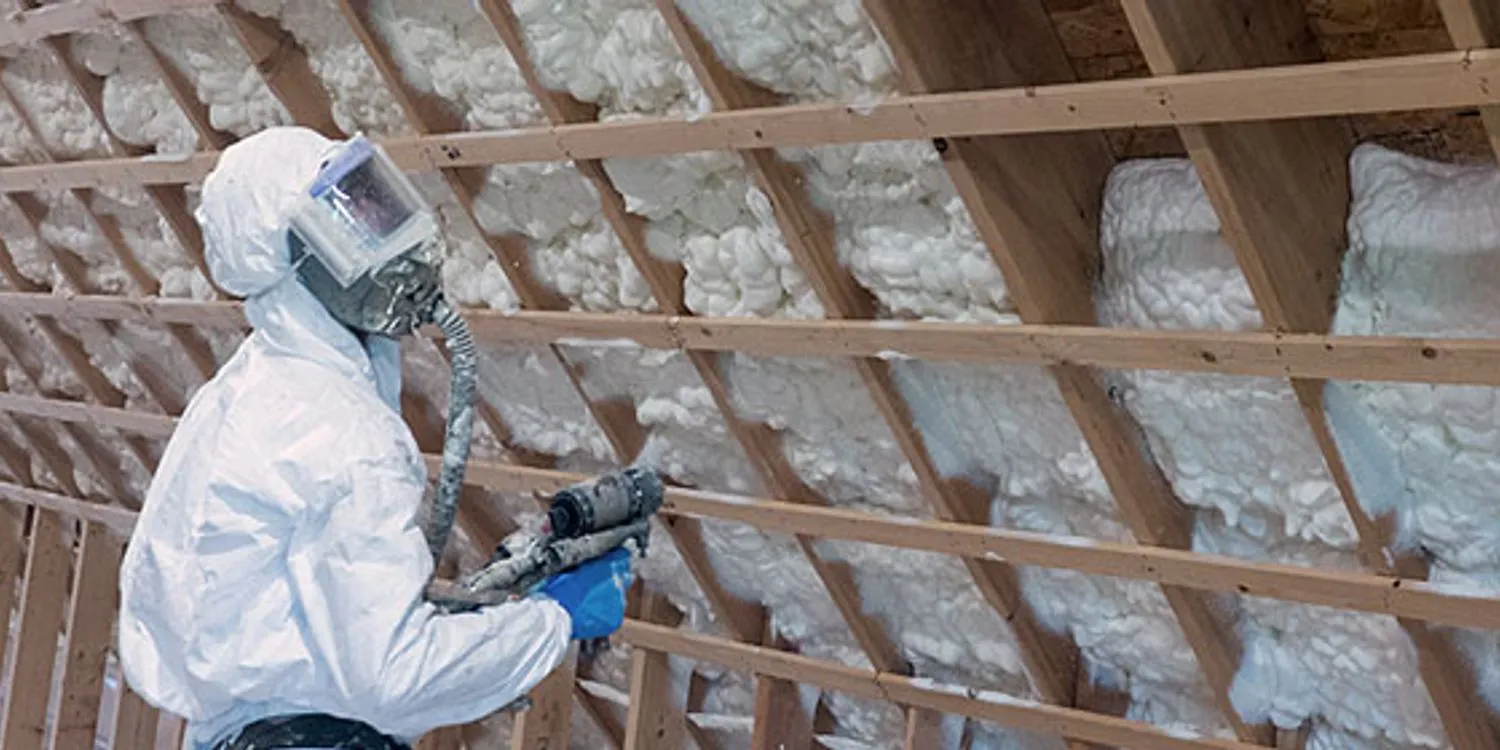
Other Insulation Services
Common Questions
Is batt insulation a good fit for Phoenix-area buildings?
Yes. Batt Insulation works well for many Phoenix-area homes and commercial buildings, but the right choice depends on the space, the assembly and how it is used. During a free estimate we confirm whether batt insulation or another option fits your building.
How much does batt insulation cost?
Cost depends on the area being treated, the material and thickness, access and prep. Estimates are free and given in writing, so you know the price before any work begins.
How long does a batt insulation project take?
Most projects are completed quickly once scheduled. Your written estimate includes the expected timeline for your specific Phoenix-area project.
Want to Know What Your Project Would Cost?
Tell us about the property and we'll help you determine the next step.
Free Written Estimates • No Obligation • Local Arizona Team